Formula 1’s 2026 rules are an admission, not a revolution
Formula 1’s 2026 regulations are not radical. They are corrective, and they reveal how much the sport has learned from endurance racing.
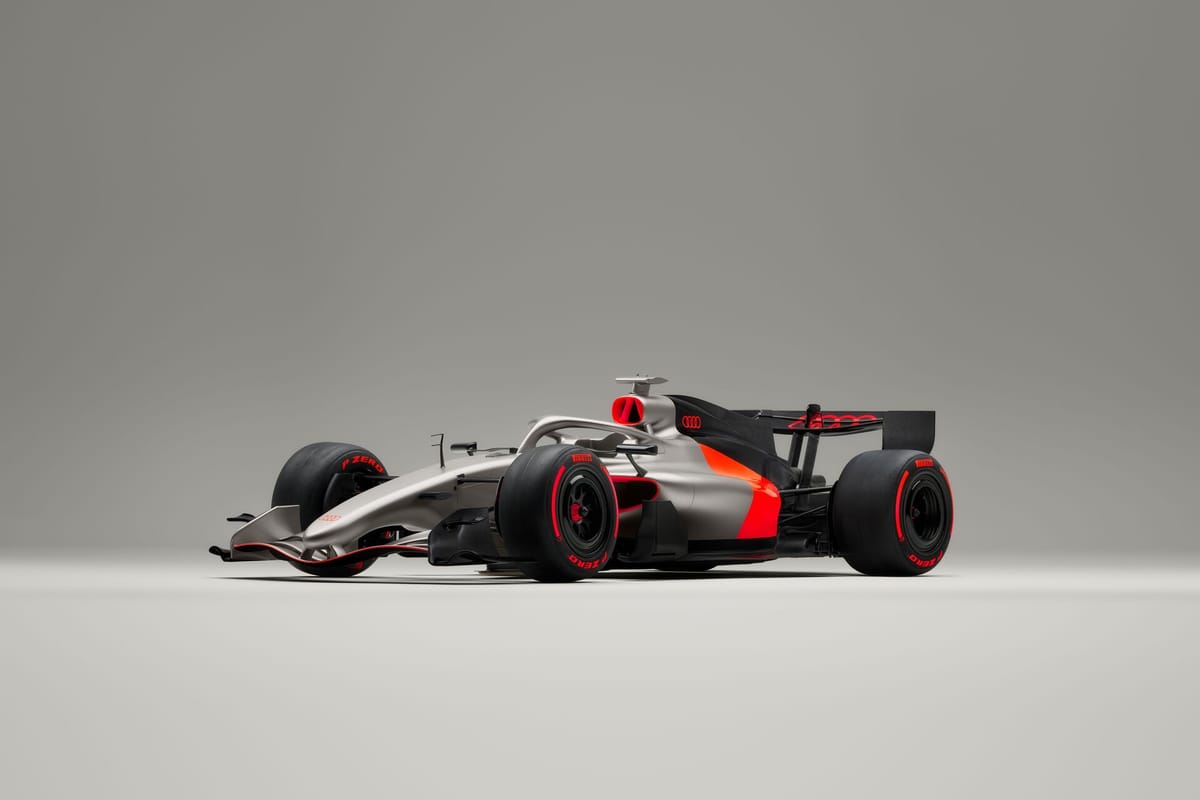
Formula 1 likes to sell regulation changes as bold new eras. The 2026 reset is being framed that way again. New power units. New cars. A cleaner, more competitive future.
Look closer, and this is something else entirely.
The 2026 regulations are an admission. An acknowledgement that the sport overshot, over-engineered, and backed itself into a corner. What makes this moment interesting is not what Formula 1 is inventing, but what it is quietly borrowing.
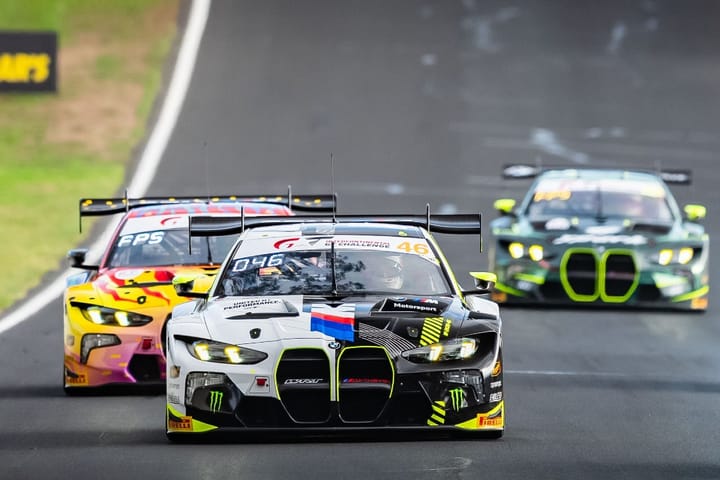
Much of it will feel familiar to anyone who has been watching endurance racing over the past decade.
Power units: simplifying by necessity, not ideology
The centrepiece of the 2026 rules is the new power unit. On paper, it looks progressive. A roughly 50:50 split between internal combustion and electrical power. Sustainable fuels. A cleaner, more road-relevant message.
The reality is more pragmatic.
The current hybrid era delivered astonishing efficiency but at an unsustainable cost. The MGU-H became the symbol of that problem: technically brilliant, eye-wateringly expensive, and largely irrelevant outside a Formula 1 bubble. Its removal is not controversial. It is overdue.
What matters is the direction of travel. Formula 1 is stepping back from extreme complexity and towards controllability, cost containment, and manufacturer stability. Those priorities will sound very familiar to anyone following the FIA World Endurance Championship, where regulation sets have been designed explicitly to prevent technical escalation from becoming an existential threat.
This is not Formula 1 leading. It is Formula 1 correcting course.
Aerodynamics: chasing racing, not lap time
The other central pillar of the reset is aerodynamic behaviour. Smaller cars. Active aero. Reduced peak downforce. Less reliance on ground-effect dominance.
That is an implicit admission that the last generation of cars, even after the 2022 clean-air reset, still prioritised theoretical performance over practical racing. Dirty air remains a problem. Overtaking still requires disproportionate speed deltas. Strategy windows are narrow and fragile.
The stated goal for 2026 is closer racing through cars that are easier to follow. Again, endurance racing offers a helpful contrast. Hypercar regulations were never designed to chase absolute lap time. They were designed to create a performance envelope in which multiple concepts could race closely for hours, not just seconds.
Formula 1 is now trying to retrofit that thinking into a discipline that spent years optimising for qualifying spectacle.
Weight: a rare moment of self-awareness
Perhaps the most telling element of the 2026 framework is the renewed focus on weight reduction. Formula 1 cars have grown heavier, longer, and more inert with every regulation cycle. Safety improvements explain part of it. Hybrid systems explain more.
But the sport has finally acknowledged that weight is not a neutral variable. It affects racing quality, tyre behaviour, braking zones, and driver workload. Lighter cars are not just faster. They are more responsive, more physical, and more demanding.
Endurance racing confronted this issue earlier. Hypercar rules deliberately capped power and weight to prevent performance inflation. The result has been closer racing and broader manufacturer engagement.
Formula 1 is now making the same calculation, albeit later and under more pressure.
Cost control: no longer optional
Every major regulation reset claims to address costs. The difference this time is tone. The 2026 rules read less like an aspiration and more like a survival strategy.
Formula 1 has lost manufacturers before. It knows what happens when technical freedom outpaces commercial logic. The new framework tightens development windows, limits escalation, and reduces the risk of a single concept blowing the field apart.
That mindset is now standard practice in endurance racing, particularly under Balance of Performance systems that prioritise longevity and competition over technological brinkmanship.
Formula 1 still resists overt BoP, but the philosophical distance is shrinking.
What this tells us about modern motorsport
Taken together, the 2026 regulations reveal a sport recalibrating its values. Formula 1 still wants to be the pinnacle. It still wants innovation. It still wants spectacle.
But it now understands that spectacle cannot be engineered in isolation from economics, racing quality, and competitive depth.
Endurance racing has spent the last ten years solving problems that Formula 1 is only now confronting. Manufacturer churn. Cost spirals. Technical cul-de-sacs. The need to prioritise racing over rhetoric.
The irony is that Formula 1’s “new era” looks a lot like lessons learned elsewhere.
This is not a criticism. It is a recognition of reality.
Formula 1’s 2026 rules matter not because they are radical, but because they are corrective. They suggest a sport that has stopped assuming it is immune to the structural pressures affecting the rest of motorsport.
That may prove to be the most important change of all.
Source: FIA technical and sporting overview of the 2026 Formula 1 regulations.