German GT presence sets the tone as Asian Le Mans calendar takes shape
German GT influence is already clear in Asian Le Mans, as Porsche podiums and disciplined teams underline why the series has become a serious endurance proving ground.
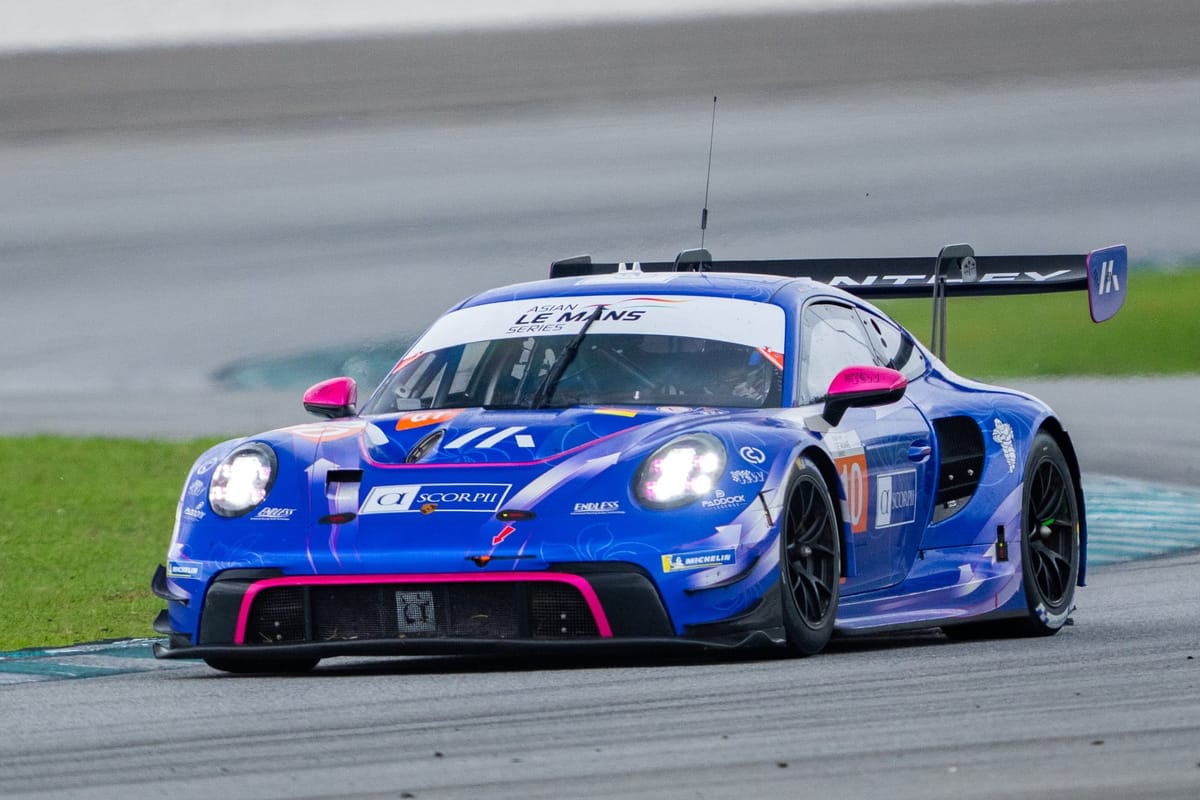
The publication of the 2024–25 Asian Le Mans Series calendar does more than confirm dates and venues. It underlines how central German GT machinery, teams and drivers have become to the championship’s competitive identity.
Across both calendar announcements and the opening race weekend, the pattern is consistent. Porsche, supported by experienced German operations and a familiar cast of endurance specialists, arrives not as a guest but as a reference point.
A compact calendar with clear intent
The Asian Le Mans Series continues with a deliberately concentrated format. Two double-header weekends anchor the season, keeping logistics tight and grids stable while encouraging teams to commit fully rather than treat the championship as a one-off experiment.
The structure rewards preparation, consistency and operational discipline. These are areas where German GT teams traditionally excel, particularly those already embedded in FIA World Endurance Championship and European Le Mans Series programmes.
For Porsche customer teams, the calendar’s rhythm also aligns neatly with winter testing and early-season WEC preparation. That overlap matters, because Asian Le Mans increasingly functions as both a proving ground and a rehearsal stage.
Porsche delivers early, again
If the calendar sets the framework, the opening weekend confirmed who has arrived ready to exploit it. Porsche secured a pair of podium finishes in GT competition, reinforcing its status as the benchmark GT3 package in endurance racing.
The Porsche 911 GT3 R remains a known quantity, but its continued effectiveness is not accidental. Balance, tyre management and driver confidence remain its defining strengths, all of which are amplified in multi-hour formats on unfamiliar circuits.
What stands out is not just outright pace, but repeatability. Porsche’s results did not rely on attrition or fortune. They came from cars that stayed in the window, drivers who avoided mistakes, and teams that executed cleanly under pressure.
German teams bring endurance habits, not just speed
Behind the podiums sits a broader German influence that goes beyond the badge on the nose. Teams associated with Porsche’s endurance ecosystem bring with them processes refined in longer, harder championships.
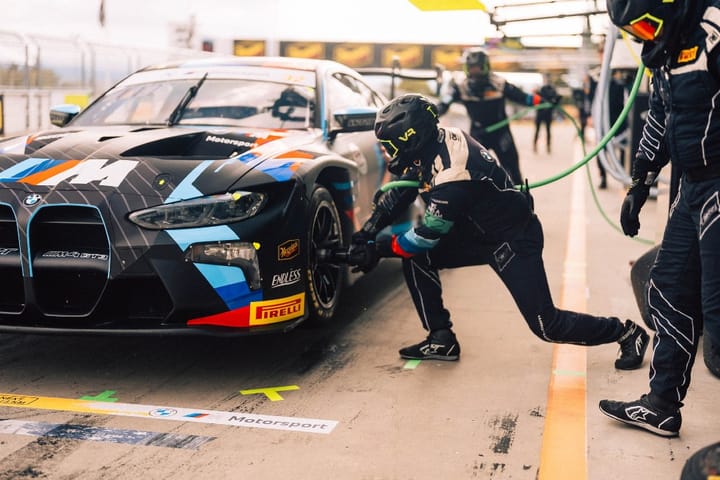
Operations such as Manthey have helped set expectations across GT racing globally. Even when not dominating headlines, their methods shape how competitors approach strategy, stint length and race management.
Asian Le Mans rewards exactly this mindset. With limited track time and compressed weekends, the teams that succeed tend to be those who arrive prepared rather than those who adapt on the fly. German outfits, shaped by years of Nürburgring, Spa and Le Mans experience, fit that brief naturally.
Drivers matter more than ever
The opening results also highlight the value of experienced GT drivers, particularly those already embedded in Porsche’s wider programme. Asian Le Mans grids increasingly blend ambitious amateurs with professional anchors, and the balance between the two often decides outcomes.
German-linked driver line-ups, familiar with Porsche’s systems and endurance rhythms, appear especially well placed. Clean stints, tyre preservation and calm execution count for more here than headline qualifying laps.
This is where Asian Le Mans quietly feeds into bigger championships. Performances here often foreshadow roles in WEC LMGT3 or IMSA endurance rounds, making early-season results more consequential than they might appear.
Why this matters beyond Asia
Asian Le Mans has matured into something more than a regional series. It is now part of the global endurance ladder, and German GT involvement has been instrumental in that evolution.
For Porsche, early podiums reaffirm customer racing depth. For German teams, the championship offers meaningful winter competition rather than exhibition racing. For drivers, it remains a route into top-tier endurance seats.
The calendar may be short, but the implications are not. German GT cars and crews are not simply participating. They are shaping the competitive standard once again, quietly and efficiently, exactly as endurance racing tends to reward.