
How RSR reads endurance racing
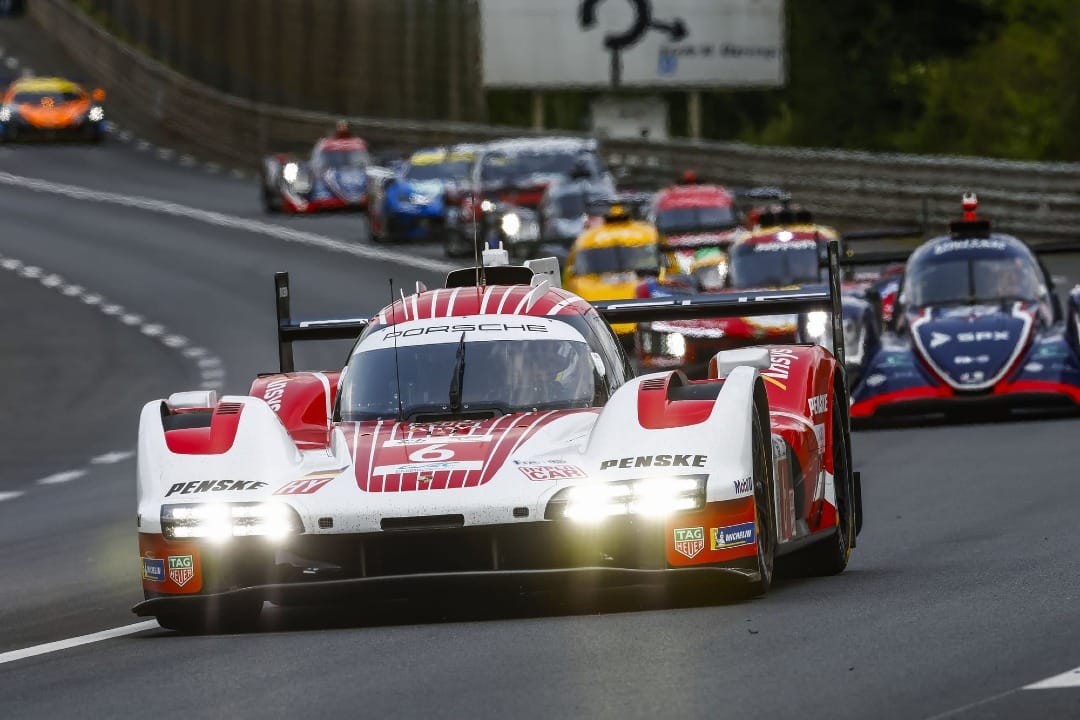
Motorsport and the long view
Endurance racing only makes sense when viewed over time.
Cars do not reveal themselves in a single weekend. Programmes do not succeed by accident. Organisations gradually reveal their strengths and weaknesses under different kinds of pressure, across different circuits and seasons.
This is how The Rennsport Report approaches the sport.
We are not interested in reacting quickly. We are interested in understanding what matters.
Modern endurance racing is best read as a system. Regulations, manufacturers, customer teams, budgets, and people all interact over long arcs rather than short bursts. A result on Sunday rarely tells the full story. Patterns do.
Some races are more revealing than others. Not because they are bigger or louder, but because they test different truths.
Across each season, Rennsport Report uses a small group of cornerstone events as reference points. Together, they form a diagnostic arc.
One race asks whether a programme is ready.
Another exposes mechanical compromise.
Another reveals GT3 car behaviour at the limit.
Another strips away planning and demands adaptation.
Another shows what manufacturers truly care about.
Another tests whether GT3 programmes can scale properly.
And the final one asks whether any lessons were learned at all.
Read together, these races explain far more than a championship table ever could.
Our coverage is built around this idea. We write before races to explain what they are likely to reveal, and afterwards to interpret what they actually proved. We connect events across continents and series, because manufacturers do not operate in isolation. Neither should analysis.
This is why Rennsport Report focuses on German manufacturers in global endurance and GT racing. Porsche, Audi, BMW, and Mercedes-AMG do not treat motorsport solely as entertainment. They treat it as a long-term programme. Their decisions carry consequences across seasons and categories.
We follow those consequences.
You will not find race reports here. You will not find session summaries or manufactured drama. We avoid hype because hype obscures understanding.
Instead, you will find context, interpretation, and judgment. Sometimes that means stating what worked. Often, it means explaining why something did not.
This is not about being contrarian. It is about being precise.
If you read Rennsport Report regularly, you should come away with a clearer sense of:
- why certain programmes endure
- why others quietly fade
- and what each season actually revealed once the noise subsides
That is the lens. Everything else follows from it.