
Motorsport is not a personality
Motorsport has always attracted strong loyalties. Manufacturers, teams, drivers, eras. That intensity is part of the appeal. The problem begins when interest hardens into identity.
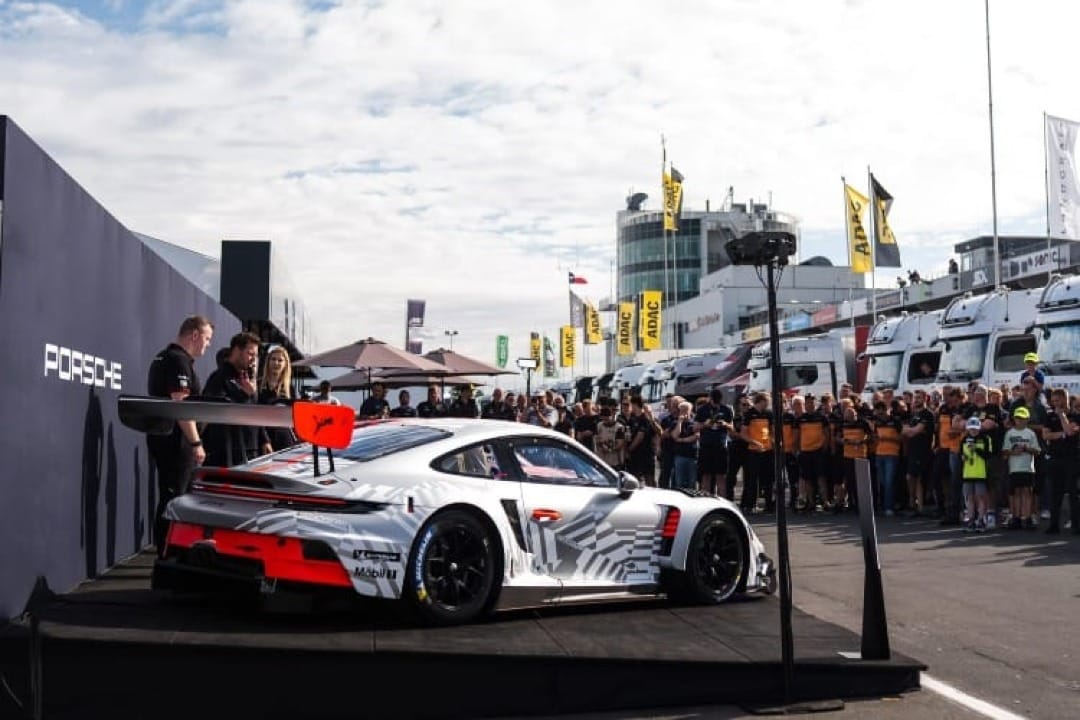
Motorsport has always attracted strong loyalties. Manufacturers, teams, drivers, eras. That intensity is part of the appeal. The problem begins when interest hardens into identity.
Between fandom and tribalism, motorsport shifts from something observed to something enacted. Opinions harden into positions. Preferences become signals. Disagreement is no longer a discussion, but a challenge.
That shift flattens the sport. When motorsport becomes identity, everything is defended. Poor strategy is rationalised. Weak performances are reframed. Context is set aside for narrative. Curiosity is replaced by loyalty and discussion contracts.
Endurance racing, in particular, suffers when viewed this way. Long-distance racing is defined by complexity. Multiple classes, changing conditions, compromise, attrition, recovery. It is a sport of patience and adaptation, not dominance. Reducing it to tribal support misses the point.
Manufacturers come and go. Programmes rise and fall. Regulations change. The sport survives because it rewards understanding, not allegiance. Enjoying motorsport does not require making it personal. Stepping back sharpens appreciation. It becomes easier to recognise good work, to criticise failure without defensiveness, and to see the sport on its own terms.
Motorsport does not need protection from analysis. It improves because of it.
Treating motorsport as a lens, not a mirror, keeps the conversation open and the perspective wide. The sport remains more interesting than any single identity allows. Endurance racing rewards that distance.
The longer the race, the clearer it is that no team, manufacturer or driver owns the narrative. Success is provisional. Failure is instructional. Perspective matters more than allegiance. Watched that way, the sport gives more back.