Calendar management is not a contingency plan Two FIA championships face the same regional crisis. Their responses expose very different operating limits.
The August Compromise An examination of the FIA’s proposed August compression test and how phased enforcement could shape development sequencing in the 2026 Formula 1 reset.
The arms race of stability: German GT3 strategy in 2026 Why 2026 GT3 is no longer about speed but about stability, as Mercedes-AMG, Porsche and BMW reshape customer racing under economic pressure.
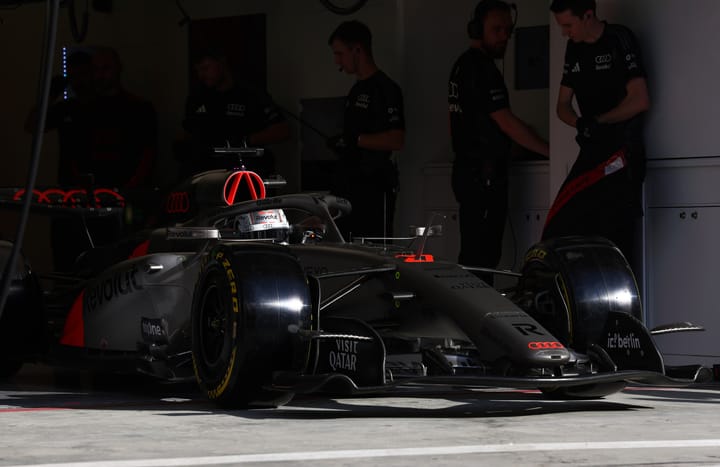
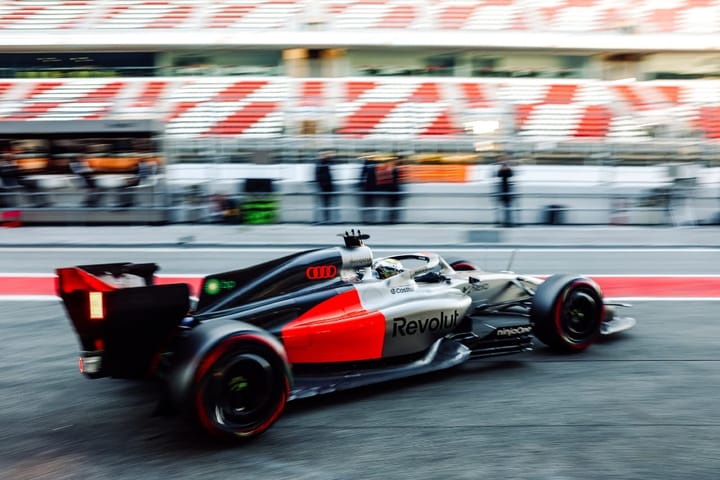
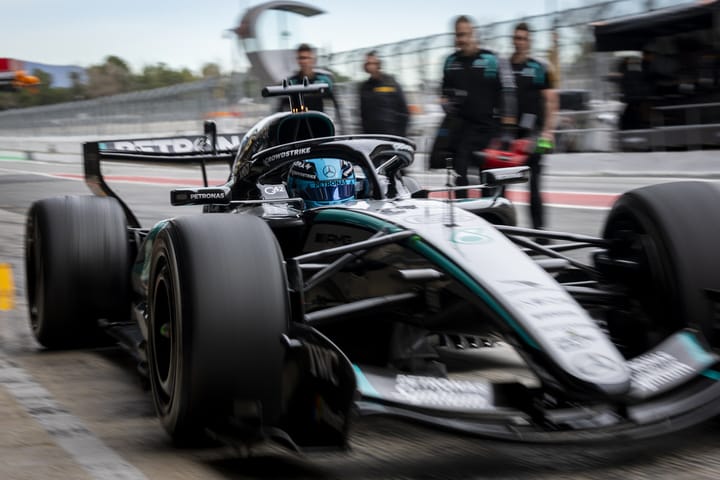
Formula 1 2026: what Mercedes understands, and Audi is still learning A post-shakedown analysis of Formula 1’s 2026 regulations, contrasting Mercedes’ continuity with Audi’s reinvention, and explaining why systems understanding will matter more than early speed.
Bathurst is not a race. It is an audit. Bathurst is a twelve-hour audit of GT3 programmes under heat, compliance, and procedural load. It exposes organisational weakness faster than any other event.
Interim analysis: German works culture explains why the 2026 Formula 1 shakedowns mislead German works programmes treat 2026 Formula 1 shakedowns as compliance exercises, not performance signals. Early calm reflects control, not competitive order.
German precision in the fog: what the 2026 Rolex 24 actually tested A fog-interrupted Rolex 24 turned Daytona into a compressed systems test. Porsche, BMW, and Mercedes-AMG passed it through preparation, restraint, and operational clarity.