The arms race of stability: German GT3 strategy in 2026
Why 2026 GT3 is no longer about speed but about stability, as Mercedes-AMG, Porsche and BMW reshape customer racing under economic pressure.
2026 is the year GT3 stopped pretending it was about speed.
Top-tier prototype racing has become a volatile, capital-intensive marketing exercise, exposed to the macroeconomic winds of the automotive industry. In its shadow, GT World Challenge Europe has hardened into something else: predictable, scalable and customer-funded. The 2026 grid shows manufacturers repositioning their entire motorsport philosophies to reflect that reality.
The contest between Mercedes-AMG, Porsche and BMW is no longer an arms race of ultimate pace. Under Balance of Performance, pace is rationed. Stability is not. Three distinct German philosophies now operate beneath the same regulatory ceiling, reshaping the business model of customer racing.
Economic contraction and the consolidation of power
The 2026 GT3 landscape begins in the boardroom.
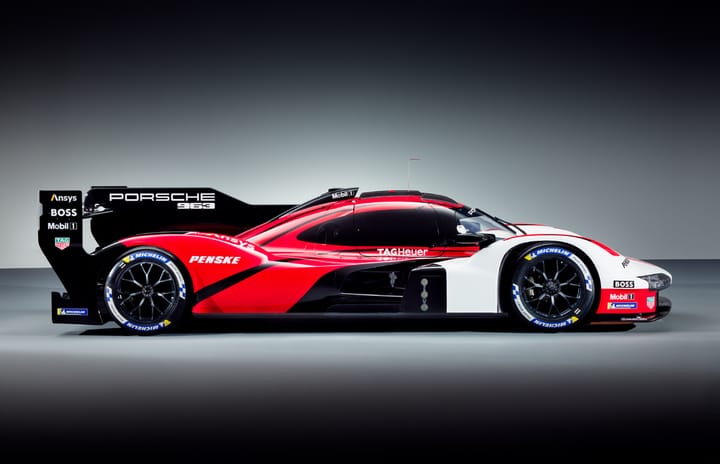
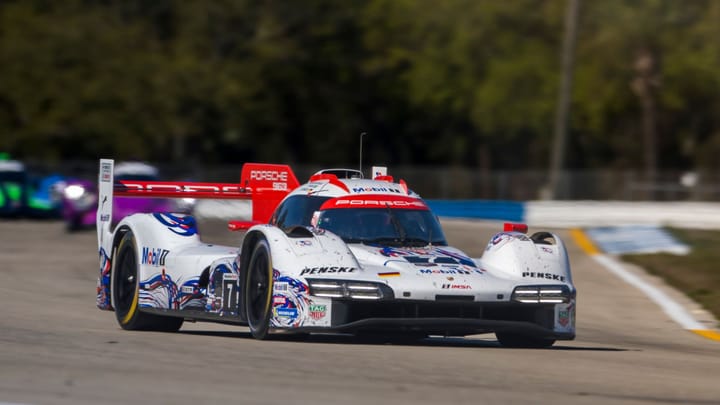
Porsche provides the clearest example. Confronted with softening luxury demand in China, slower-than-expected electric vehicle adoption and geopolitical trade uncertainty, Stuttgart recalibrated. Porsche confirmed it would withdraw from WEC Hypercar after the 2025 season, consolidating resources around IMSA and its global customer programmes. Prototype ambition was reduced, not abandoned, but capital was redirected towards platforms with clearer commercial return.
Audi moved earlier. The decision to end factory GT3 support was taken in 2023, with implementation from 2024 onward, as Ingolstadt prioritised its Formula 1 project. The consequences are now fully visible on the 2026 grid, where longstanding customer structures operate without factory backing.
While Porsche and Audi contracted in different ways, Mercedes-AMG and BMW have consolidated. But they have done so through contrasting architectures.
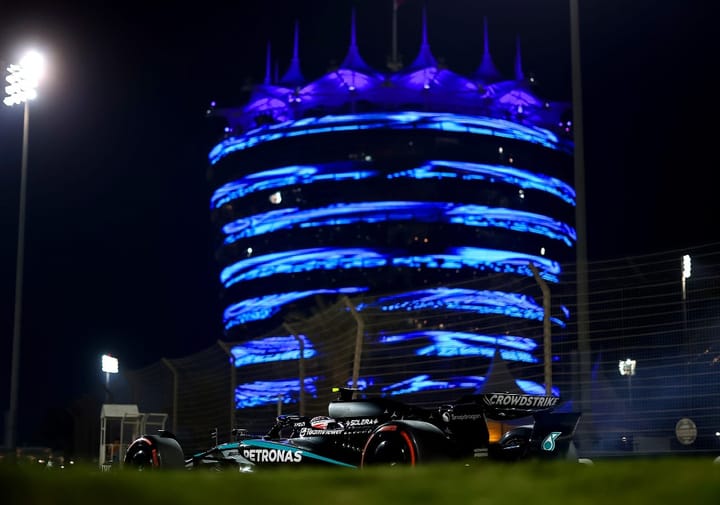
Mercedes-AMG severed its 15-year partnership with HWA AG, the architect of its modern customer racing infrastructure, and brought operations in-house through Affalterbach Racing GmbH. The objective is clear: internalise revenue streams, tighten technical control and centralise the supply chain.
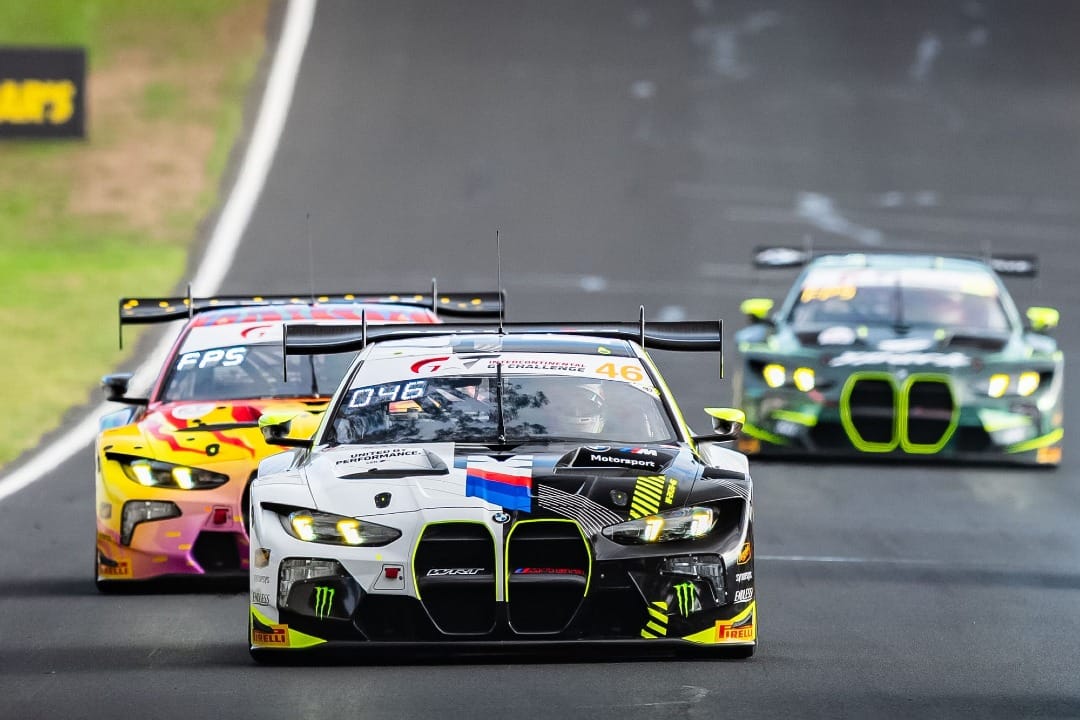
BMW chose concentration rather than absorption. Instead of distributing factory influence across multiple entities, Munich elevated Team WRT to super-team status. WRT now runs the M Hybrid V8 in both IMSA and WEC while anchoring BMW’s factory-heavy assault in GT World Challenge Europe. Technical data, personnel and strategic authority flow through a single operational hub.
BMW concentrates power in a super-team.
Porsche concentrates capital in customer leverage.
Mercedes-AMG concentrates risk internally.
That divergence defines 2026.
The drivability shift
Under BoP, peak speed is an illusion.
Engineering a car to be outright faster yields diminishing returns. Any advantage is regulated away. What remains is controllability.
The evolution of the Porsche 911 GT3 R (992.2) captures this shift. The rear-engined architecture’s inherent pitch sensitivity under heavy braking demanded refinement. Porsche responded by optimising the kinematics of the double wishbone front suspension to introduce greater anti-dive, while adjusting rear axle geometry to increase anti-squat under acceleration. Aerodynamic louvres on the front arches stabilise airflow and broaden the car’s operating window.
The objective is not headline downforce. It is confidence. A more forgiving platform for non-professional drivers operating at the limit.
The BMW M4 GT3 EVO, introduced for the 2025 season and carried into 2026, reflects the same philosophy. Munich left peak output largely untouched and focused instead on tyre preservation and mechanical sympathy. Revised anti-roll bars, enlarged rear brake discs and a more finely adjustable differential are strategic refinements. In endurance racing, where a Bronze driver may close a race on heavily worn Pirellis, predictable degradation curves matter more than marginal horsepower.
Ferrari has pursued similar gains with the 296 GT3 Evo, reducing aerodynamic sensitivity in traffic and stabilising vertical load variation when following another car. Again, the emphasis is control rather than spectacle.
Raw performance is capped. Drivability is not.
Customer ecosystem lock-in
This engineering emphasis is inseparable from the economics of GT3.
The category’s financial foundation rests on Bronze and Silver drivers underwriting programmes. Regulations mandate substantial amateur drive time. Commercial reality follows: a car that preserves tyres and forgives late-stint errors protects both results and resale value.
Manufacturers must carefully calibrate their upgrade cycles. Forcing customers to purchase a new €573,000 chassis every few seasons risks destabilising the ecosystem that sustains the grid. Porsche’s decision to offer a €41,500 update kit for existing 992 owners is financial pragmatism as much as technical evolution.
Switching platforms is rarely straightforward. Replacing multiple GT3 cars with a rival brand requires capital measured in the millions, along with new spares inventory, tooling, and personnel retraining. Teams become economically immobilised.
This inertia underpins GT3 stability.
The fragility of stability
Yet stability carries exposure.
Mercedes-AMG’s internal restructuring illustrates the tension. The transition from HWA to Affalterbach Racing has raised concerns in the paddock about parts continuity and logistical scaling. This is not simply an administrative change. It is a structural risk.
By testing a new turbocharged successor platform while absorbing the global burden of customer support, Mercedes-AMG is walking a tightrope. In endurance racing, a delayed parts shipment can derail a championship. Operational reliability now rivals aerodynamic balance in competitive importance.
BMW’s super-team concentration introduces a different vulnerability. Efficiency increases, but dependency deepens.
If factory alignment narrows around a single operational hub, privateer influence may diminish. Porsche’s contraction away from WEC Hypercar strengthens GT3 in the short term, but reduces diversification should the customer market cool.
The 2026 GT World Challenge Europe season reveals a structural truth about modern motorsport. The most successful formula is not the one that chases theoretical limits. It is the one that sustains a viable business model.
What happens if one of these stability models fractures?
If Mercedes-AMG’s internalised supply chain falters, customer campaigns collapse.
If BMW’s concentration alienates the independent teams that underpin grid volume, factory leverage weakens.
If Porsche’s reduced prototype footprint leaves it overexposed to GT3’s commercial cycle, strategic flexibility tightens.
The 2026 grid confirms that GT3’s customer-funded architecture has become the primary pillar of global sportscar racing. It is no longer an arms race of speed.
It is an arms race of stability.
And stability, in motorsport, is always fragile.