The August Compromise
An examination of the FIA’s proposed August compression test and how phased enforcement could shape development sequencing in the 2026 Formula 1 reset.
The FIA’s proposed amendment to compression ratio validation is not a rewrite of the 2026 formula. It is a compromise between written wording and regulatory intent, delivered on a calendar.
The Fédération Internationale de l’Automobile sold the 2026 regulations as a reset.
A controlled convergence. A narrowing of interpretive margins. A formula designed to restrain structural advantage and welcome new manufacturers without gifting incumbents another cycle of dominance.
That reset now carries a timetable.
The FIA has proposed amending the compression ratio validation procedure to require compliance not only at ambient temperature, but also at a representative operating temperature of 130°C. The proposed start date is 1 August 2026.
If implemented, the first 13 races of a 24-round season would run under the existing ambient validation method before the additional hot test takes effect.
This is not a wholesale rule change. It is a phased enforcement shift.
Phased enforcement reshapes the competitive environment.
For half a season, one interpretation remains permissible. After the summer break, that interpretation may require adjustment. A reset delivered in instalments becomes managed convergence rather than immediate parity.
The detail that matters is not legality. The FIA has stated there is no question of cheating. The detail that matters is sequencing.
Engineering in the shadow of the vote
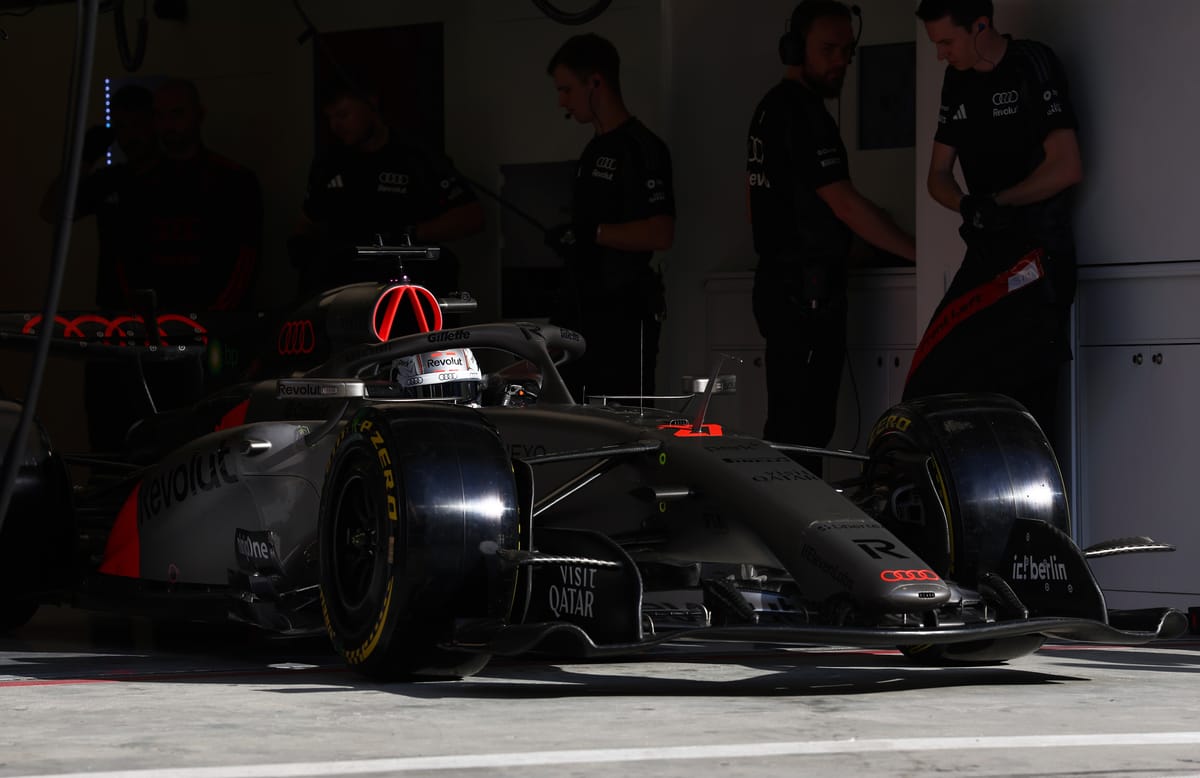
In written responses to RSR, Mercedes-AMG declined to elaborate on technical queries regarding the W17’s floor philosophy and energy management posture prior to the FIA vote, stating that further discussion would be hypothetical. Audi similarly declined to disclose development details of its AFR 26 package at this stage.
The absence of technical clarification is instructive. When engineering disclosure becomes conditional on a governance decision, development posture and regulatory interpretation intersect.
The compression ratio clause was originally measured at ambient temperature. Rivals argue that compliance must hold ‘at all times’. The FIA’s proposed dual test suggests that the written wording did not fully capture regulatory intent.
That distinction matters because 2026 power units are homologated under cost control. If a manufacturer locates performance within a permitted measurement corridor, competitors cannot rapidly replicate it mid-season. Development bandwidth is finite. Architecture is frozen.
Under those constraints, timing becomes leverage.
The incumbent’s sequencing advantage
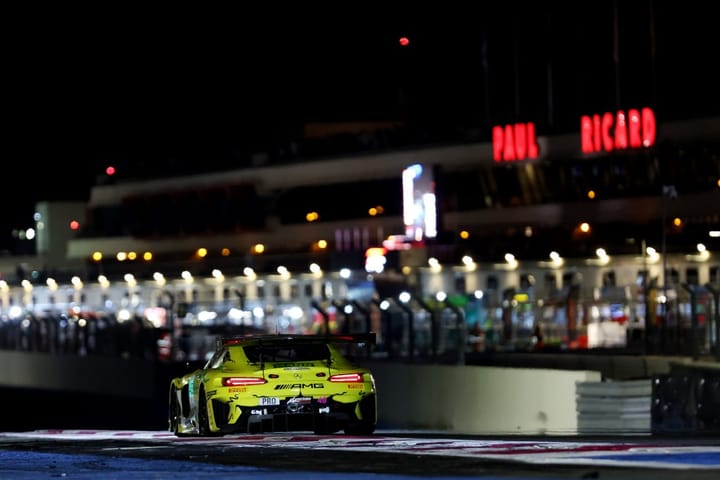
Mercedes-AMG has operated inside the written validation framework. If the proposed August enforcement shift proceeds, the first half of the season functions as an optimisation window under the current method. The second half would require alignment with the expanded test regime.
That creates two regulatory phases.
The team with the most mature validation loop and the deepest simulation toolchain is structurally better placed to traverse such a split with limited cost. This does not prove a decisive advantage. It establishes an asymmetry in flexibility.
It also explains the sensitivity surrounding technical discussion prior to the vote.
What cannot yet be asserted is competitive magnitude. The performance delta, if any, remains unquantified. The regulatory mechanism is under review. Until race conditions expose deployment behaviour over full stints, the debate remains theoretical.
The newcomer’s allocation dilemma
For Audi, the problem is different.
A new manufacturer entering a reset formula must balance regulatory compliance with competitive urgency. If enforcement tightens in August, a rookie programme faces a resource choice:
Invest development capacity into closing a first-half interpretive gap that may expire mid-season, or protect baseline architecture and accept potential early deficits.
Audi’s refusal to discuss development posture reflects the constraints of a new entrant operating inside unsettled governance. Publicly committing to either path before the vote would narrow strategic flexibility.
The consequence is organisational, not rhetorical. Development hours diverted toward short-term parity are hours unavailable for the 2027 evolution cycle.
In a cost-controlled era, sequencing is as critical as raw performance.
The tyre as limiting variable
The enforcement debate ultimately runs into physics.
For 2026, the rear tyres are 30 millimetres narrower. They must cope with higher electrical deployment and sharper load transitions from active aerodynamics. At the same time, teams are discovering that energy preparation and tyre preparation now pull in different directions.
Pre-season running has already shown that managing a qualifying lap requires balancing battery preservation against generating sufficient front tyre temperature. Some teams have resorted to double preparation laps to reconcile those competing demands. That multi-variable optimisation problem exists before any compression-related divergence is factored in.
If torque delivery profiles differ materially between power unit concepts, the rear tyre becomes the natural constraint. More aggressive low-RPM deployment may offer peak performance, but it also increases longitudinal load during traction phases.
RSR asked Pirelli whether early data indicated divergence in rear thermal degradation linked to mapping philosophy. Pirelli declined to provide an immediate technical answer, citing media protocol, and indicated that any written clarification would follow standard process.
That neither confirms nor dismisses differential behaviour. It reflects that the data is sensitive and highly circuit-dependent.
If meaningful divergence exists, it will not surface in headline lap times. It will appear in stint stability, traction-phase wear, and the onset of graining under race deployment rather than controlled test conditions.
Until then, the tyre question remains a diagnostic lens, not a verdict.
A reset in two acts
The 2026 season now risks beginning under one enforcement regime and continuing under another.
That does not invalidate the reset. It complicates it.
If the August proposal passes, the championship opens inside a narrower reading of the rulebook and transitions mid-year toward clarified intent. The teams best prepared for interpretive shifts will adapt with the least friction.
The central issue is not whether anyone has breached the regulations. The question is whether regulatory clarity arrives in time to prevent strategic divergence from hardening into structural imbalance.
Melbourne will not resolve the governance debate. It will reveal whether interpretive margin translates into measurable stint behaviour.
Energy–tyre balance is already fragile. Any additional deployment divergence would likely expose itself under race conditions.
That is where enforcement theory meets physics.