Verstappen Racing’s Mercedes-AMG tie-up is about building leverage, not borrowing stardust
Verstappen Racing’s 2026 Mercedes-AMG collaboration is not about star power or F1 intrigue. It is a calculated move to build a serious GT racing organisation the hard way.
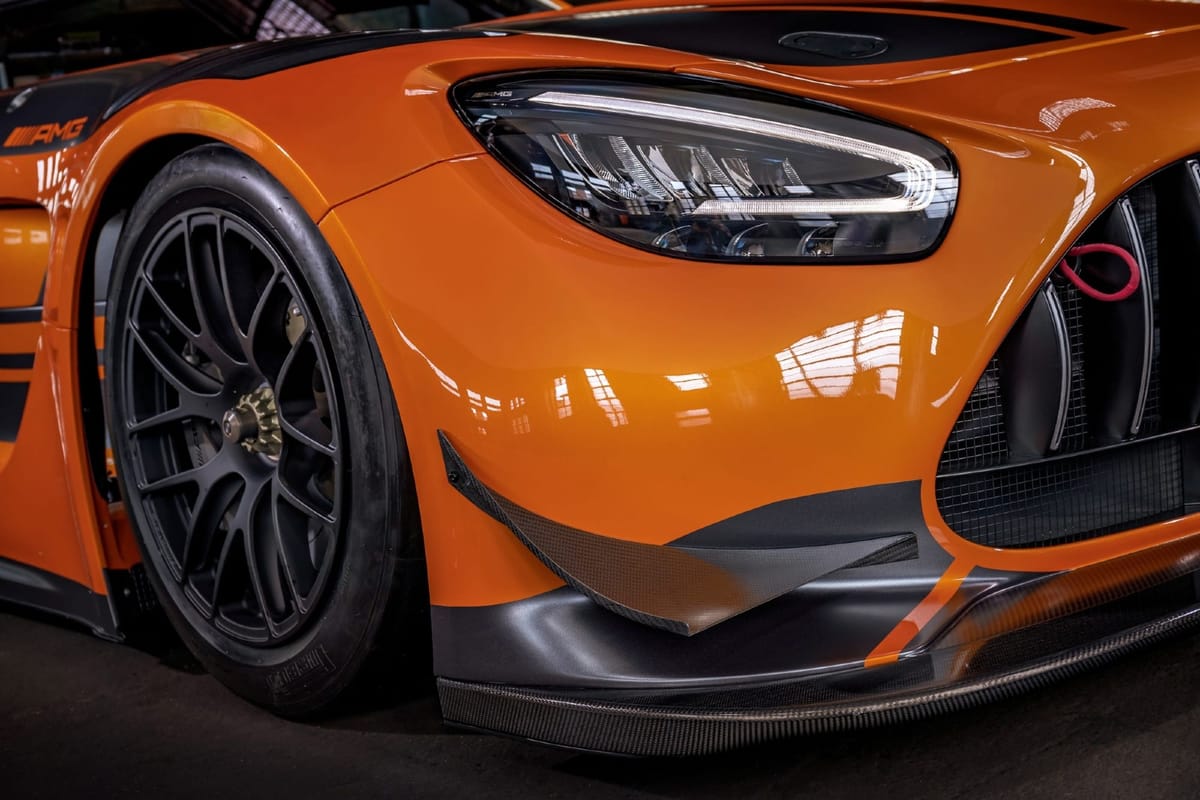
When Verstappen Racing announced its collaboration with Mercedes‑AMG for the 2026 GT World Challenge Europe programme, the communication was intentionally understated. There was no hype, no promises of star drivers, and no broader narrative. This restraint is intentional. Combined with Verstappen Racing's explanation, it is clear this is not a superficial partnership or a short-term project. The goal is to build a serious, technically credible GT racing organisation, with Mercedes-AMG serving as an industrial reference partner rather than a marketing tool.
This is a development project, not a placement
The Verstappen Racing statement makes it clear that the Mercedes-AMG collaboration is designed as a learning and development pathway. The focus is on engineering knowledge, operational standards, and competitive processes, rather than driver announcements or headline ambitions. This approach distinguishes Verstappen Racing from the increasing number of driver-branded GT teams. The focus is not on short-term relevance, but on adopting best practices from a manufacturer with one of the most established customer racing structures in the sport. The 2026 start date underscores this approach. The team is prioritising preparation over speed.
Why Mercedes-AMG is the correct reference point
For Mercedes-AMG, the benefits are subtle but significant.AMG's customer racing programme is built on scale, consistency, and process discipline. Rather than seeking factory success in GT3, it achieves results by making customer teams competitive, consistent, and professionally supported. Aligning with Verstappen Racing offers AMG three clear advantages:
- A credible, independent partner
Verstappen Racing is focused on operational strength rather than political influence, making it an ideal customer project. - Long-term upside without obligation
There is no factory pressure or requirement to elevate the programme beyond its natural competitive level. - Association with a performance culture, not a personality
Despite the name, this partnership is not centred on Max Verstappen as a driver. This distinction is important.
This is customer racing executed properly, with mutual benefit and minimal publicity.
GT World Challenge Europe as the proving ground
It is also significant that the programme is based in GT World Challenge Europe. GTWC Europe has become the benchmark for professional GT3 competition. Stable Balance of Performance, large grids, and strong manufacturer engagement have made it a destination for teams seeking a true test. For a young organisation like Verstappen Racing, this environment is more valuable than immediate results. It provides a true measure of operational effectiveness.
What this story is not
The Verstappen Racing statement is intentionally cautious, aiming to limit speculation. This is not a signal about Formula 1 politics.
It is not a hint about future driving plans.
It is not Mercedes-AMG manoeuvring for influence beyond GT racing. Interpreting the announcement otherwise misrepresents both parties. The focus is institutional rather than personal.
The RSR view
This partnership is significant because it reflects a broader shift in how serious GT programmes are developed.
- Driver-led organisations are professionalising quickly
- Manufacturers are exerting influence through structure, not ownership
- GT3 racing is increasingly treated as a long-term competitive platform
Verstappen Racing's decision to partner with Mercedes-AMG for the 2026 GT World Challenge Europe campaign is not dramatic. It is disciplined, patient, and quietly ambitious. These are typically the programmes that merit attention.