Explainer: the GT3 cost ladder explained
GT3 is no longer a single cost category. This explainer maps where major GT3 championships sit, from endurance-led sustainability to sprint-driven performance spend.

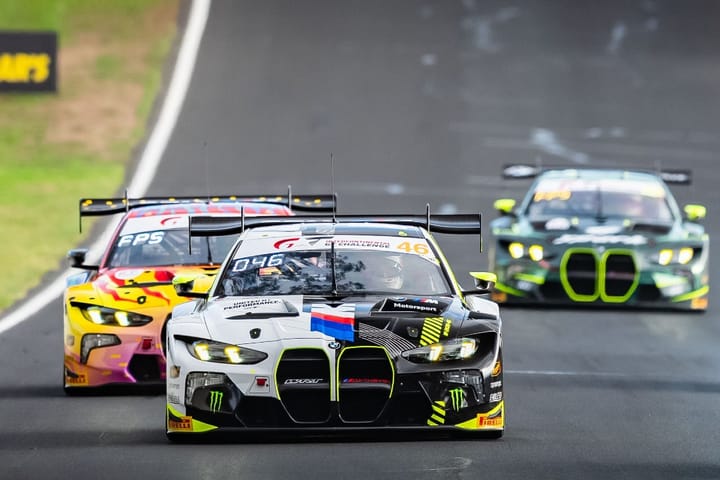
GT3 is often spoken about as a single formula, a neat package tied up with regulation and pedigree. But in truth, it’s become a broad spectrum: a world built on variety, not uniformity.
These cars may share homologation papers, but how they’re raced, funded, and prioritised can differ wildly depending on context. Recognising that spread is key to seeing where GT3 is flourishing and where it’s under real pressure. So, let’s climb the GT3 cost ladder as it stands today: rung by rung, from grassroots to factory-backed showdowns.
How to read the ladder
This isn’t about absolute budgets. It’s all about the pressure to spend, relative to what you hope to achieve on track. At the lower end, spending is spread gently over time. At the upper end, it is compressed into fierce, high-stakes moments. The higher you climb, the sharper the environment gets. Mistakes are costly, and margins narrow.
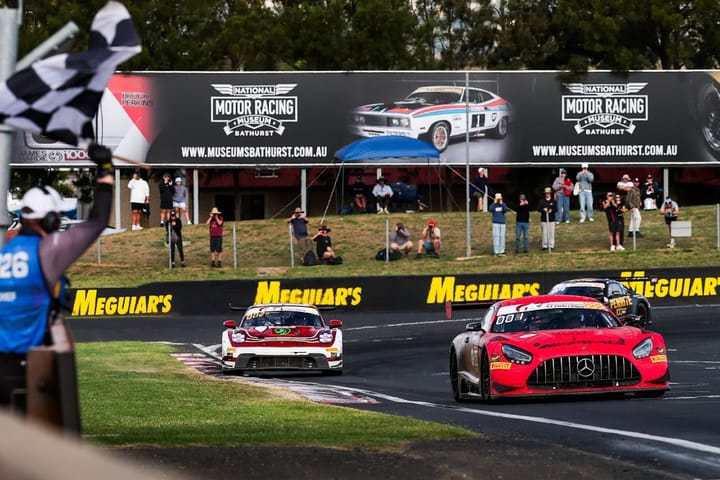
Entry-level and national GT3: Racing close to home
Here, GT3 looks most like its original promise: a platform where ambition meets accessibility.
- National championships, often run by passionate clubs and local teams, set the tone.
- You’ll find mixed Pro-Am grids, where seasoned hands share the cockpit with eager newcomers.
- Cars tend to run across multiple seasons, their stories growing with each round.
- Performance is measured in progress, not just winning. Finishing, learning, and coming back stronger next time all count.
Budgets here are shaped less by regulation and more by culture. The emphasis is on participation, camaraderie, and keeping the show on the road. There are risks, of course, but they’re rarely fatal. Most teams find a way to make things work.
Regional endurance GT3: The natural habitat
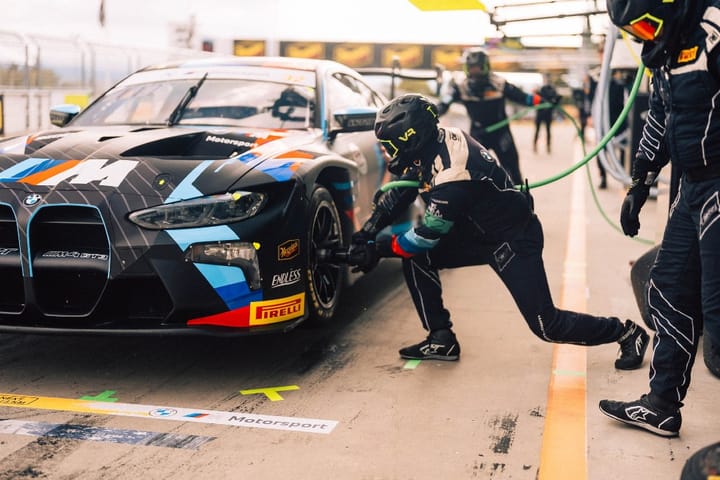
This is where GT3 feels right at home: endurance challenges that reward patience and planning.
- Multi-hour races
- Organisation and strategy rewarded
- Learning builds year on year as teams and drivers gain experience together.
- Cars earn their keep through long stints and thousands of racing miles, not fleeting headlines.
Series like the Nürburgring Endurance Series sit comfortably here. The racing is demanding, but the cost structure aligns with the spirit of the sport. In this world, GT3 is a system built for resilience, not just raw speed.
Global endurance GT3: Built to last
If there’s a safe zone in GT3, it’s here. This is the most stable part of the ladder. In championships like the FIA World Endurance Championship or IMSA, GT3 runs to well-defined rules and expectations.
The essentials:
- tightly controlled performance windows
- long race formats that dilute short-term spend
- value placed on reliability and repeatability
- manufacturer involvement without full works escalation
Here, GT3 costs a fair bit, but it’s predictable. That reliability keeps grids strong and teams coming back for more.
Sprint-focused, manufacturer-adjacent GT3: The sharp end
This is the top rung, the sharp, dazzling end of the GT3 spectrum. Here, GT3 stops behaving like a customer platform and starts acting like a factory sprint formula, with factory muscle and a customer badge.Think DTM, with its star power and relentless pace.
The hallmarks:
- Fully professional driver line-ups
- Short races with no margin for recovery
- High spend per lap to extract immediate performance
- Strong manufacturer gravity without long-term guarantees
Here, costs soar not because the rules make them, but because the competition demands it. Everyone is chasing perfection, lap after lap.GT3 is asked to deliver peak performance instantly, repeatedly, and for all to see.
Why does any of this matter?
GT3’s enduring success has always come from its flexibility, the way it bends rather than breaks to suit so many ambitions. The risk now is not runaway costs everywhere, but that prices become uneven. They rise high in some corners, remain manageable in others, with fortunes depending on where and how you race.
Endurance-led platforms absorb ambition over time, letting teams grow. Sprint-led platforms compress it into moments, demanding everything at once. Both approaches have their place, but they do not share the same staying power. That matters for the future of the sport.
The takeaway
GT3 is no longer a flat category. It’s a ladder, with rungs that teams and drivers climb as fortunes, ambitions, and the stakes rise. Most of the grid lives on the middle rungs, finding their level and growing steadily. A select few operate at the ceiling, where the air is thin and the pressure intense. Knowing the difference explains why manufacturers, teams, and drivers are quietly reshaping their priorities.Once you see the ladder, the choiceswhere to race, how much to spend, and what to aim forstart to make much more sense.