When compliance becomes racing’s real battleground
A Daytona preview examining how compliance, procedural discipline, and early penalties are already shaping the competitive order of the 2026 Rolex 24 before the green flag.
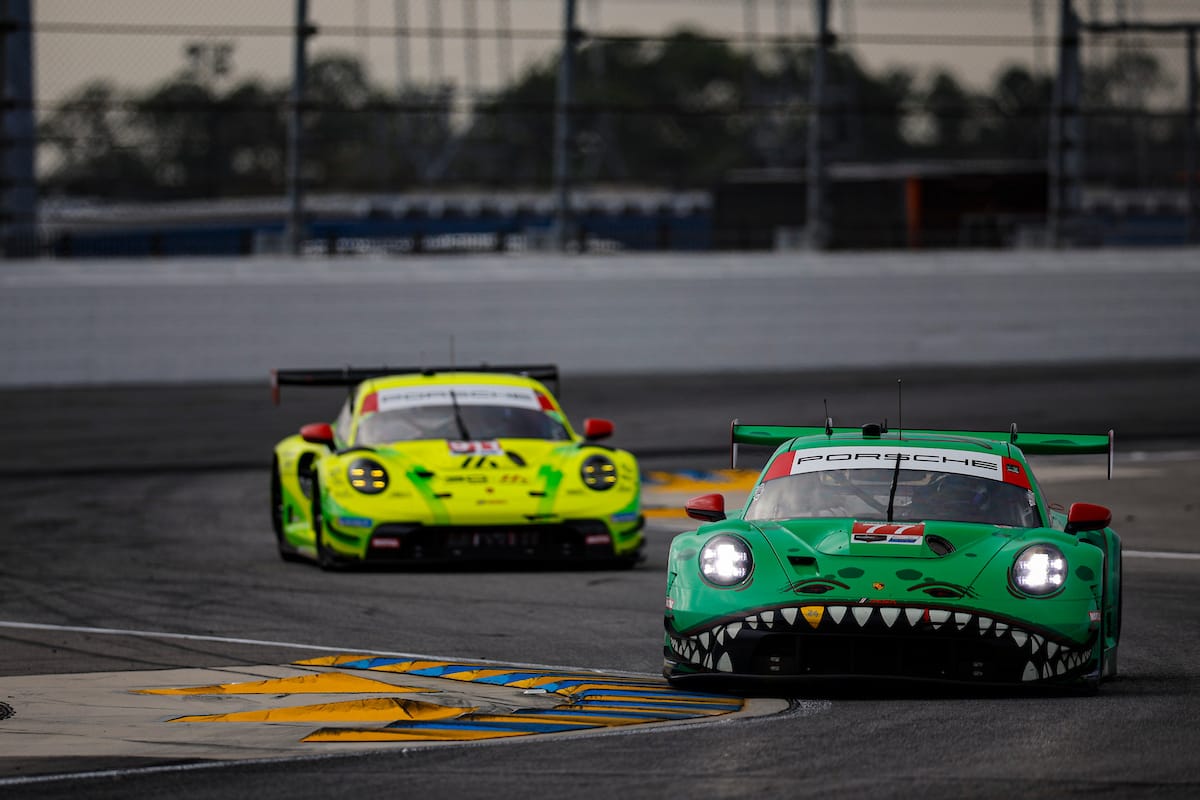
The Roar Before the 24 revealed a familiar pattern, but one that never quite settled. The speed was obvious. The stability beneath it was not. Some programmes looked composed. Others simply looked quick. From where I was watching, what stood out most was not confidence, but contrast.
Qualifying has exposed that contrast. Not dramatically, and not unexpectedly, but decisively.
Before the field has even rolled to the green flag, the first meaningful dividing line of 2026 is already visible. It is not pace. It is compliance. That is what people are talking about now, and it is probably what will matter most.
The compliance hammer falls early
The disqualification of the #31 Action Express Racing Cadillac V-Series.R from pole position following excessive rear skid-block wear is not an anecdote. It is an early warning.
This was not a marginal infringement uncovered in the chaos of a closing stint. It occurred in qualifying, under controlled conditions, with full scrutiny, before strategy or traffic could obscure cause and effect.
That matters.
It confirms that the signals observed during the Roar were real rather than theoretical. When ride height, aero balance, and downforce extraction are pushed towards their limits, procedural margins collapse quickly. IMSA has been explicit for 2026. Technical conformity is not negotiable. The first programme to test that boundary has already been penalised.
The #31 now starts eleventh, last in the GTP class. Its single-lap speed remains evident. Its operational control under constraint has been exposed as less secure. If I am honest, that feels more significant than the grid position itself.
What qualifying has clarified
With the grid adjusted, several things are now clearer.
The #93 Acura Meyer Shank Racing ARX-06 inherits pole position. The one-lap execution is undeniable. The broader questions around race-phase control remain open.
What is more instructive is what sits behind it.
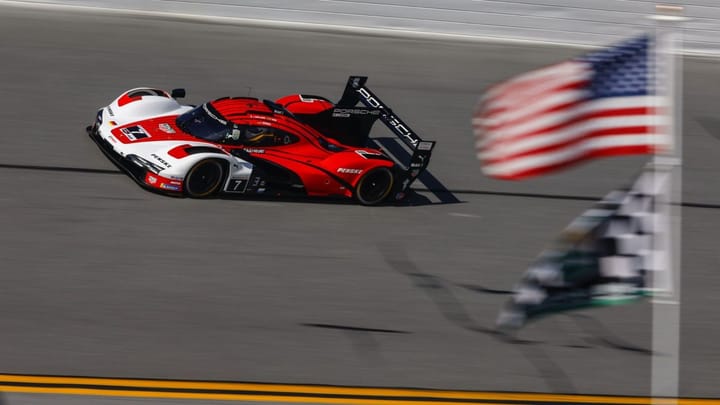
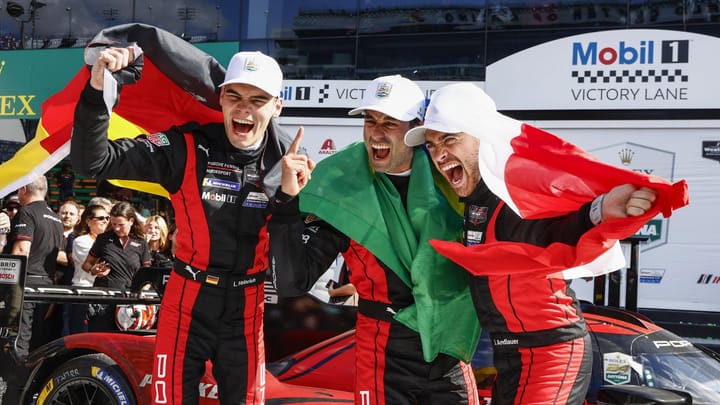
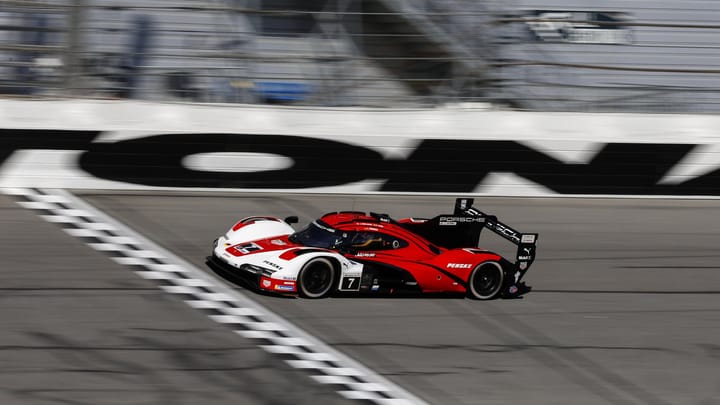
Porsche Penske Motorsport now places the #7 Porsche 963 third on the grid and the #6 fifth. That outcome has arrived without visible stress, without aggressive setup, and without regulatory attention. Classic Penske, some would say. Quick, calm, and quietly positioned where it needs to be.
BMW’s M Hybrid V8s remain eighth and ninth. The single-lap deficit is unchanged and cannot be ignored. Yet the competitive environment around them has shifted. With the #31 Cadillac starting behind both cars, BMW’s opening stint becomes an exercise in containment rather than evasion. I would not say that makes life easier, but it does make it more predictable.
In GT, the picture is similarly clarified. The #3 Corvette Racing by Pratt Miller Motorsports secures the GTD Pro pole. The #57 Winward Racing Mercedes-AMG lines up second in GTD. Not quite pole, but positioned exactly where Daytona tends to reward discipline rather than ambition.
Porsche: lying in wait, by design
Porsche’s qualifying outcome fits the pattern observed throughout the week.
There was no attempt to dominate the timing screens. No visible search for absolute ride-height limits. No urgency. The two Penske Porsches sit in positions that allow influence without exposure.
Starting third and fifth enables Porsche to shape the early race without leading it. Acura and the WTR Cadillac absorb the opening pressure. If the start becomes aggressive, Porsche benefits. If it settles, Porsche remains placed to respond. From experience, that is usually a comfortable place to be, if you can manage it.
This is not fortune. It is intent.
BMW: pace deficit, risk rebalanced
On paper, BMW’s position is unchanged. In practice, the risk profile has softened.
The M Hybrid V8 lacks the single-lap sharpness of its rivals. That has been consistent from the Roar through qualifying. What has changed is where the immediate pressure sits.
With the Action Express Cadillac starting behind, BMW’s opening task is to defend its position and limit losses, not to escape the threat. The race it needs remains the same. Long-cycle consistency, traffic management, and night-phase execution.
The difference is that early disruption is now more likely to occur ahead rather than around them. That may not sound like much, but over 24 hours, it can make all the difference.
Mercedes-AMG: execution mode engaged
In GTD, Mercedes-AMG’s priorities are unchanged.
The #57 Winward car’s front-row start keeps it clear of the most volatile phase of the opening hour. Daytona does not reward early assertion. It rewards survival without compromise. Anyone who has watched enough of these races knows that lesson is usually learned the hard way.
Qualifying suggests no overreach. The emphasis remains on clean stints, disciplined pit work, and allowing others to absorb risk first. Simple in theory. Rarely simple in practice.
The compliance war has begun
The central story is not who starts where. It is what the #31 disqualification reveals.
IMSA’s stance for 2026 is clear. Reduced tolerance for technical grey areas. Skid blocks, ride heights, and aero legality are no longer background considerations. They are competitive variables.
Teams face a choice. Preserve margin and sacrifice peak downforce, or chase performance and invite scrutiny.
The early evidence suggests Porsche and BMW have chosen restraint. Cadillac has already tested the boundary and been penalised. Acura has yet to be placed under equivalent pressure. Whether that remains the case once the race settles in is an open question.
Compliance is no longer a safety net. It is a determinant.
What to watch when the race begins
The opening hour will not decide the Rolex 24. It will reveal posture.
Watch how the front-running American teams manage kerbs and traffic. Watch whether Porsche allows the race to come to it or is drawn forward. Watch whether BMW holds station without compromise. From where I am sitting, those early signals will tell us more than the timing screens.
The Roar indicated where stress might appear. Qualifying has confirmed where it already has. Others may still be hiding.
By nightfall, the question will not be whether compliance matters. It will be how far it has already shaped who can win.