When two governing bodies stopped trusting the Gulf at the same time
Two calendar decisions, made eight months apart, by two governing bodies that never coordinated. The Gulf's risk profile is now visible in both.
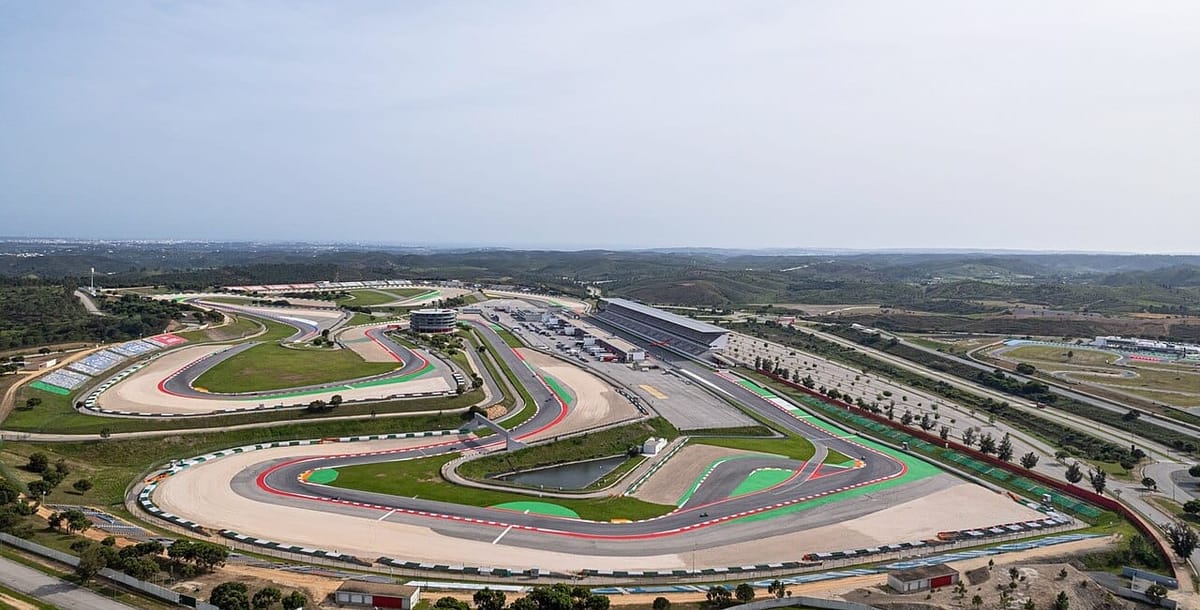
The announcement came out of Spa last June without much ceremony. SRO Motorsports Group was rotating its season finale. Jeddah wouldn't return. The Autódromo Internacional do Algarve at Portimão would instead close the 2026 GT World Challenge Europe season, marking the circuit's first appearance on the calendar in 11 years. Stéphane Ratel said the round had been a success, but a return wasn't on the cards for the moment. Read it as routine commercial housekeeping and move on.
Eight months later, it reads differently.
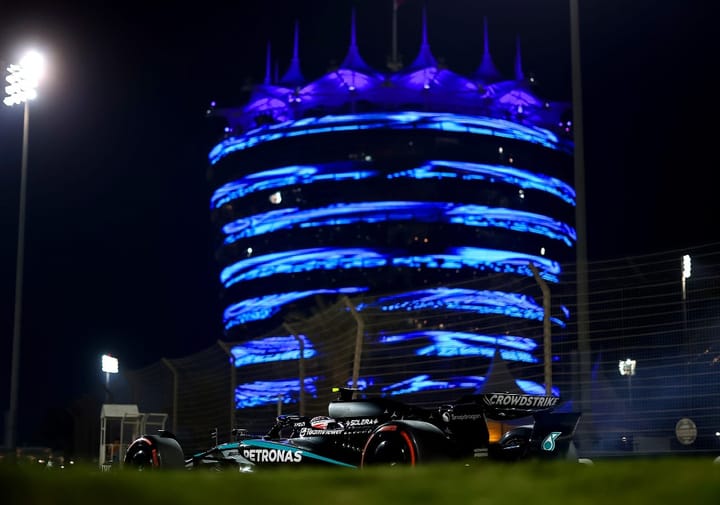
Armed conflict across the Gulf in late February 2026 forced the FIA World Endurance Championship to pull its Qatar 1812km from the season-opening slot at Lusail International Circuit. Active military strikes. Airspace closures across Qatar, Bahrain and the UAE. The race moved to 22-24 October as the penultimate round, placed directly before the 8 Hours of Bahrain on 5-7 November, a 13-day window separating two Gulf rounds in the season's closing phase. Bahrain, at the time of writing, remains scheduled.
The distinction between the two decisions matters more than it might appear. SRO completed a planned exit from a non-core hosting arrangement through normal contractual process, months before any shots were fired. The WEC made a reactive safety call with equipment already in the region, logistics chains mid-execution, and no confirmed fallback date at the point of announcement. Same structural outcome. The paths that led there could not have been more different.
Neither organisation coordinated with the other. That is the signal.
Both decisions expose a category of calendar risk that commercial contracts can't fully price in advance and that daily monitoring can't neutralise once conflict turns active. What neither resolves is whether the hosting infrastructure comes through intact. Bahrain is the untested variable. If it runs in November, the WEC absorbs a single-round rearrangement and exits the season having managed the problem. If it doesn't, the reading shifts from a managed disruption to something more structural, and that's a harder conversation.
The manufacturer exposure isn't equal across the grid, and that gap is worth naming.
BMW M Motorsport carries both remaining Gulf rounds in its 2026 WEC Hypercar schedule. Any further disruption to Qatar or Bahrain lands directly on championship calculation windows, freight planning, and driver scheduling for the M Hybrid V8 programme in the season's final phase.
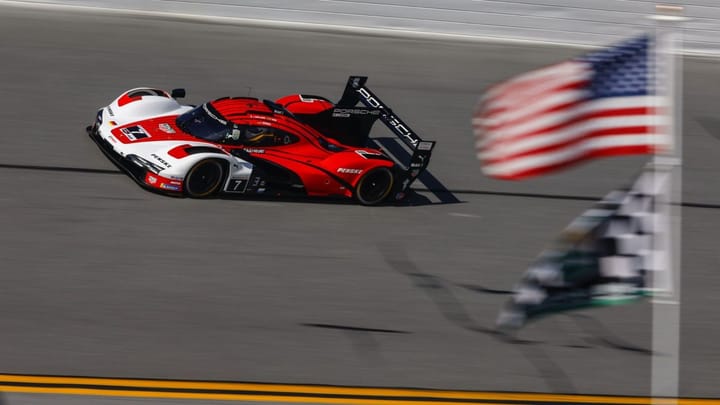
Porsche is absent from Hypercar in 2026, having withdrawn the factory Porsche Penske Motorsport operation at the end of last season, with customer team Proton Competition also unable to continue in the class. It retains a Gulf footprint through Manthey Racing's Porsche 911 GT3 R in the LMGT3 category, which runs the full WEC calendar.
Mercedes-AMG Motorsport, whose primary European GT work runs through Mercedes-AMG Customer Racing operations in GTWC Europe, carries no Gulf exposure in 2026. Its calendar closes at Portimão in October and goes no further east than Italy. The gap between the manufacturers carrying WEC Gulf rounds and those that wrap their season in Western Europe wasn't planned that way. It's the product of which series each programme currently occupies, and the conflict made it visible.
The WEC's Gulf commitments aren't a recent commercial experiment. Bahrain has closed the WEC season for over a decade. Qatar is newer, but still predates the current conflict by several seasons. The risk was always sitting inside the calendar structure. What changed in late February was that it stopped being latent and started being operational, at a time when it couldn't be absorbed cleanly.
For the GT3 customer teams that make up the GTWC Europe grid, the 2026 season is the least logistically demanding in years. A calendar that runs entirely within Western Europe removes exposure to intercontinental freight, simplifies travel, and eliminates one of the line items that squeeze smaller operations at the margin. That's not accidental good fortune. It's the downstream effect of a commercial call that, in a quieter year, nobody would have looked at twice.
The falsifier is straightforward. If Bahrain runs in November and Qatar runs in October, this stays a diagnosis: a structural dependency identified, stressed, and absorbed without further damage. If Bahrain requires intervention, the argument changes. Sequential Gulf disruption across a single season isn't a managed event. It's a calendar architecture failure, and the question of how premium endurance and GT series should weight their hosting portfolios stops being theoretical.
Not what happened in March. What happens in November?