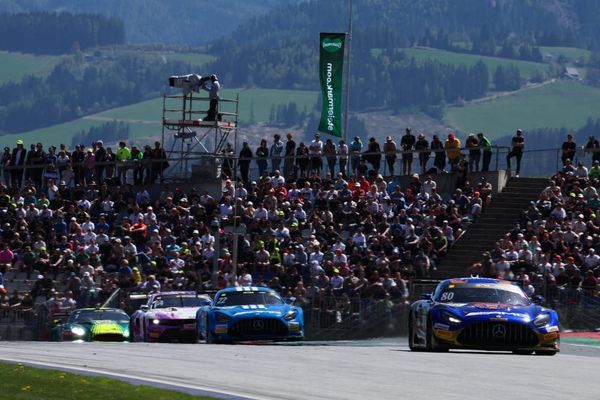
Analysis
Mercedes-AMG reads DTM’s new tyre regime first
Mercedes-AMG’s Red Bull Ring opener was not just a Race 2 win. It was the first useful read on DTM’s new tyre and BoP regime.


Analysis
Mercedes-AMG’s Red Bull Ring opener was not just a Race 2 win. It was the first useful read on DTM’s new tyre and BoP regime.
RSR Intelligence
Issue 008 examines Mercedes-AMG’s engineering-chain question, BMW’s multi-programme coherence, Porsche under regulatory pressure, and WEC’s new invisible-BoP regime.
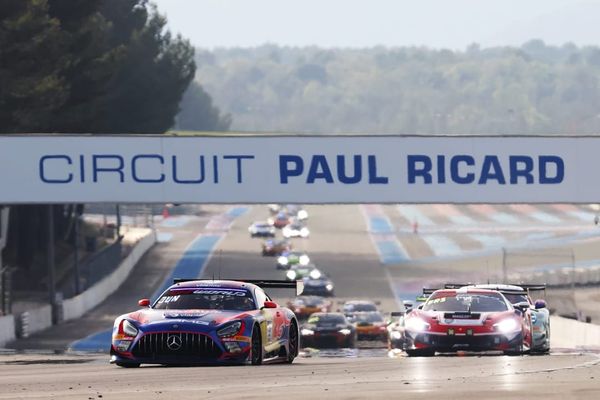
Analysis
Paul Ricard data refined. Mercedes-AMG tyre finding holds at one circuit. BMW programme correction issued. Porsche customers collided with each other.
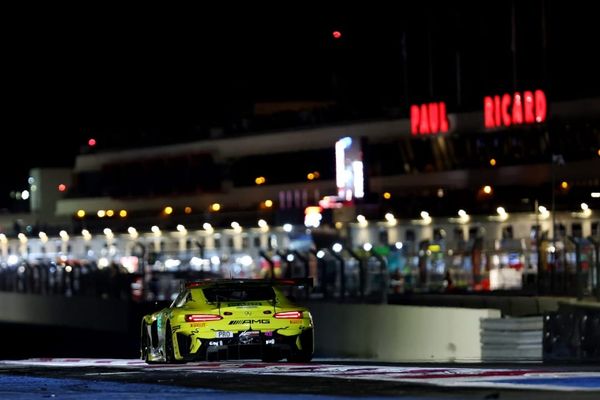
Analysis
Mercedes-AMG led Paul Ricard for five hours. Cold tyres and a safety car cost the win. BMW called P4 the maximum. Porsche's pace delivered nothing.
RSR Intelligence
Mercedes-AMG builds a subsidiary before it builds a car. The structural logic of Affalterbach Racing GmbH.
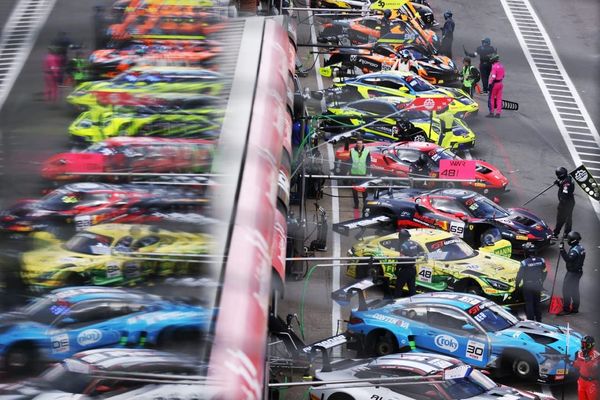
Event Notebook
The 2026 Evo cycle and Paul Ricard's six-hour format test whether programme depth or customer breadth defines the GTWC Europe season.
Analysis
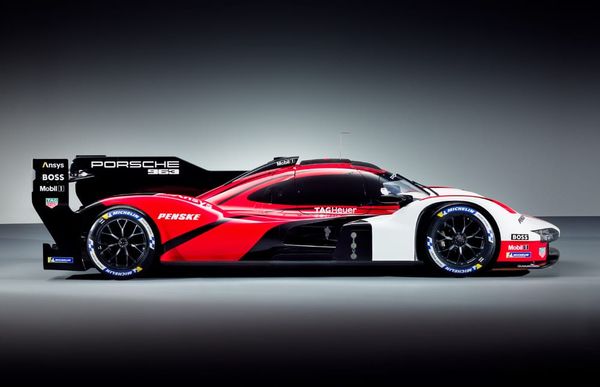
Sebring did more than confirm Porsche’s pace. It exposed how evo joker spending and customer budget limits are beginning to shape the 963 programme’s centre of gravity.
RSR Intelligence
Porsche sweeps Sebring under maximum BoP weight. The concentration thesis works. The system, designed to stop it, now accelerates.
Analysis
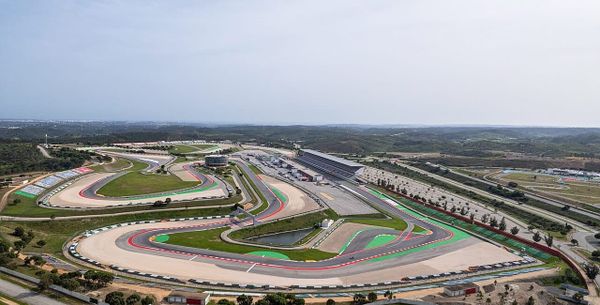
Two calendar decisions, made eight months apart, by two governing bodies that never coordinated. The Gulf's risk profile is now visible in both.
Analysis
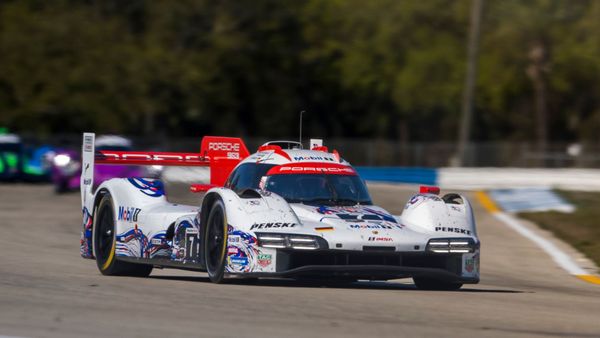
Sebring confirms the shape of Porsche's IMSA-only prototype future. The concentration thesis is no longer a diagnosis. It is operational.
Analysis
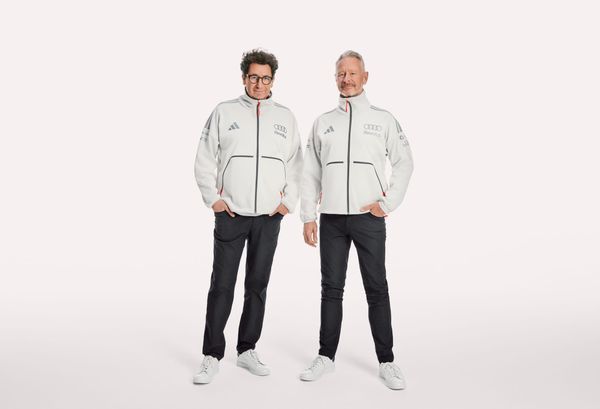
Mattia Binotto absorbs the team principal role at Audi Revolut F1 Team following Jonathan Wheatley's departure, his third formal role expansion in under two years.
Analysis
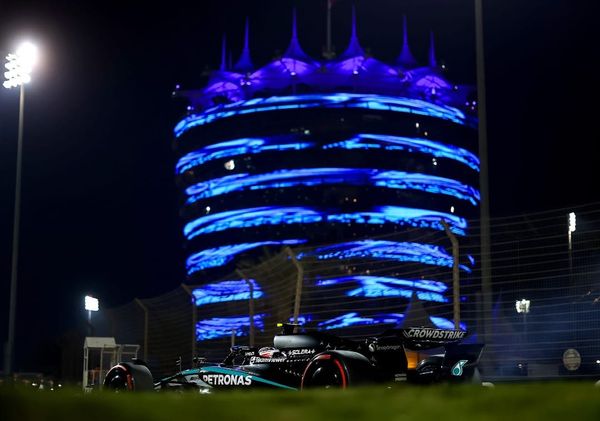
Two FIA championships face the same regional crisis. Their responses expose very different operating limits.