RSR Intelligence · Issue 019
Wins and titles for Porsche, BMW and Mercedes-AMG reveal broader customer success, BMW achievement beyond WRT and Winward’s sustained GTD record.

Wins and titles for Porsche, BMW and Mercedes-AMG reveal broader customer success, BMW achievement beyond WRT and Winward’s sustained GTD record.
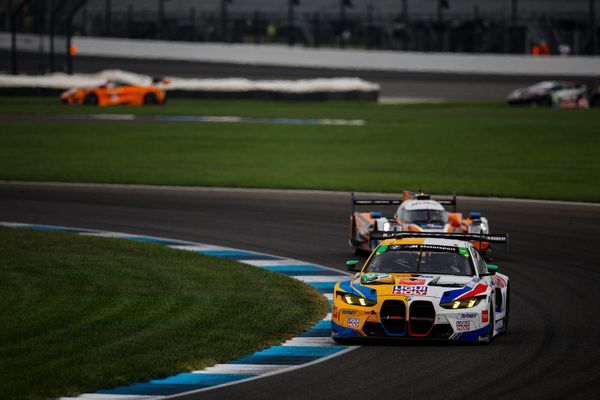
Turner’s Indianapolis win leaves it provisionally six points behind Winward. Familiar strengths in strategy and race management are helping sustain its renewed title challenge.
Porsche extends its IGTC lead at Suzuka as Indianapolis entries emerge. Plus AMG’s Silverstone breakthrough, Preining’s DTM advantage and the Zandvoort watch.
ADAC Nordrhein’s series delay clarifies part of teams’ 2027 planning. The Qualifiers’ points status and the longer-term organising structure remain open.
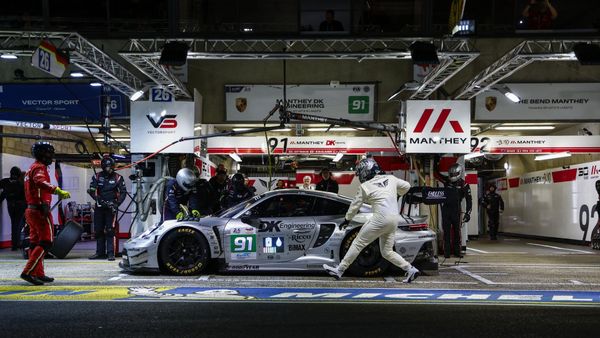
Porsche owns 51% of Manthey but still calls it a customer team. RSR examines what that unusual structure gives Porsche, and where the evidence stops.
Comtoyou won from pole at the Nürburgring. Winward crossed the line in sixth, was classified fourth and clinched the title. The gap between those outcomes explains endurance value.
Three GT3 case studies test how Porsche, BMW and Mercedes-AMG preserve competitive value when penalties, disruption and programme uncertainty remove a clean result.
From Oschersleben to Tokyo, Porsche supplied speed and breadth while Mercedes converted more of its opportunity. BMW recovered and Audi found direction.
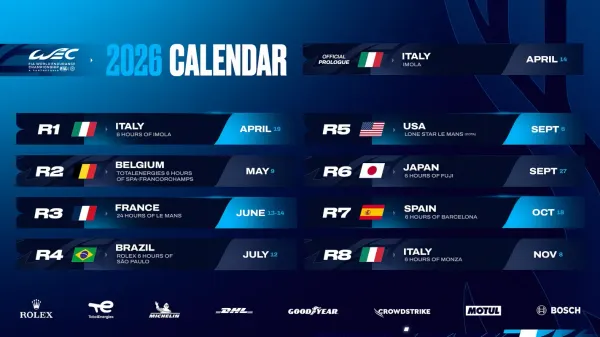
WEC’s move to Barcelona and Monza preserved eight rounds but removed six racing hours and one third of the points from its original finale.
BMW won in WEC, Mercedes-AMG won in IMSA, and Porsche recovered in both. The teams look stronger, but the manufacturer order remains unsettled.
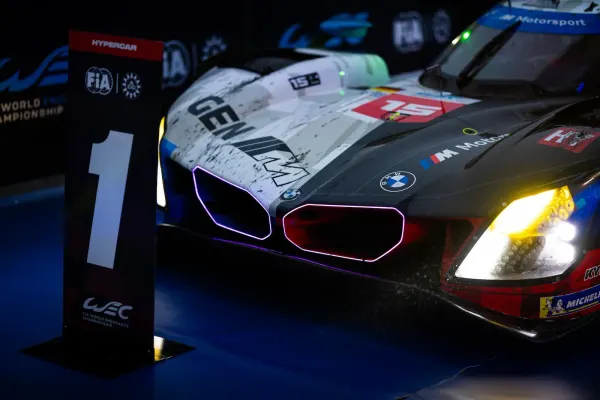
The #15 BMW strengthened WRT’s repeatability case at São Paulo. Cadillac’s errors and the #20’s different weekend keep the wider verdict open.
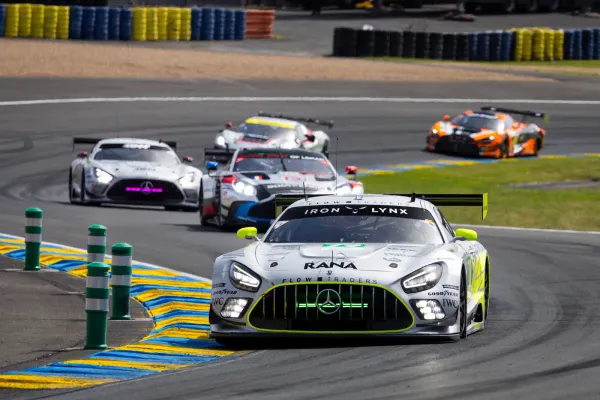
Balance of Performance does not erase competition. It governs it, which means results need to be read with discipline rather than blamed.
RSR Intelligence
Porsche converted at Spa, Manthey answered at Watkins Glen, Mercedes-AMG split its Pro case, and BMW showed depth without control.
Analysis
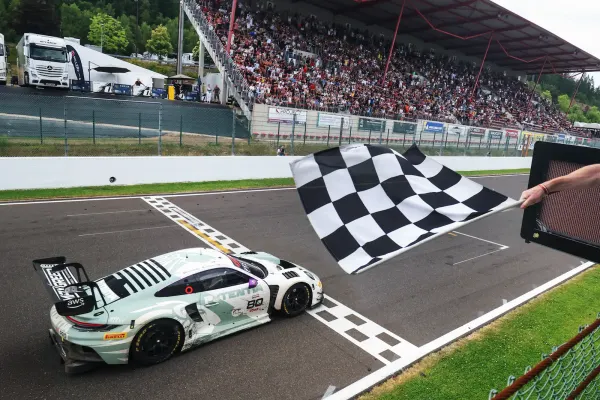
Porsche had 15 cars at Spa, but the evidence sits with three Pro entries. The #80 Lionspeed GP Porsche started from the pit lane, climbed from 15th at six hours to fifth at 12 hours and then won the race. That is more useful than the scale story.
RSR Intelligence
BMW moved from promise to pressure, Porsche lost its fallback route, and Mercedes-AMG still needs Spa to answer the GT3 question.
Analysis
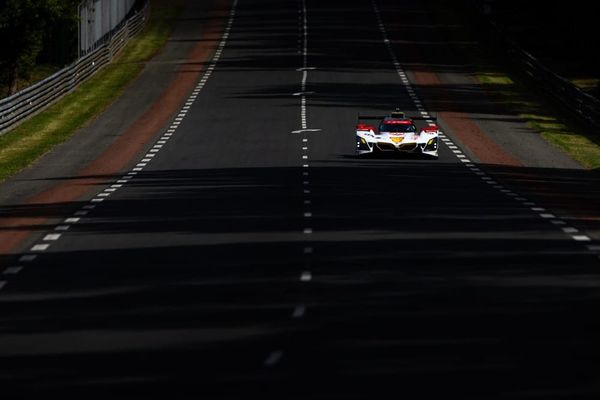
BMW's #20 took a Le Mans podium that fits a three-round WEC arc. The pace gap to the winner is now something to close, not explain. Interlagos is the test.
Analysis
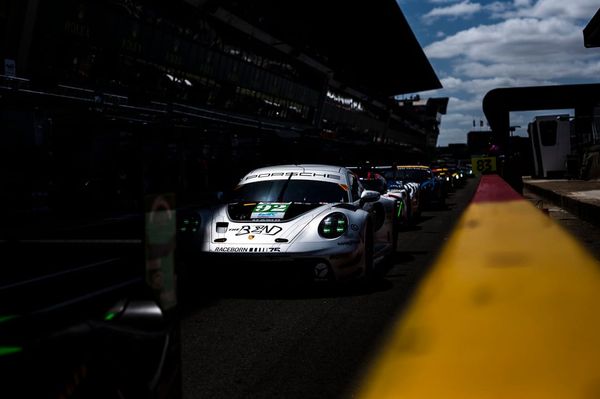
Le Mans 2026 is not asking whether Germany is present. BMW, Porsche and Mercedes-AMG all have routes into the race, but each faces a different test of authority.
RSR Intelligence
June will test whether depth can become control Issue 010 set a baseline: Mercedes-AMG had Nürburgring proof, BMW carried Germany’s FIA WEC Hypercar weight, and Porsche now leaned on GT depth instead of WEC Hypercar control. That remains true. However, the focus of the discussion has shifted. June
Explainer
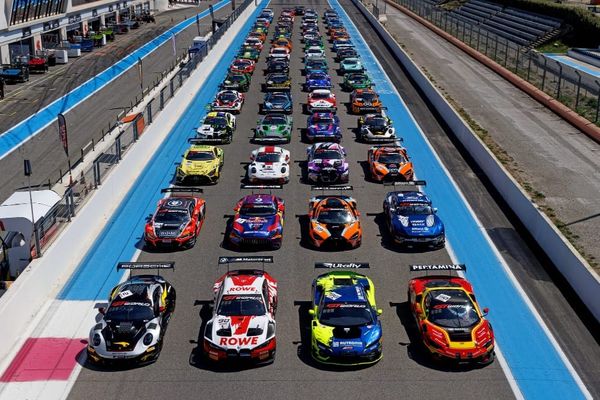
GT3 became endurance racing’s centre because it remained useful to manufacturers, teams, promoters, events and drivers.
Analysis
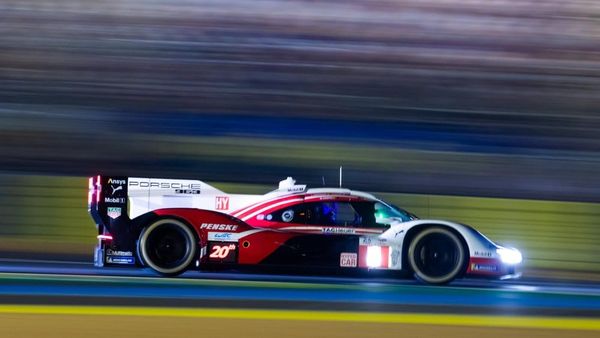
Porsche’s 2026 Le Mans Hypercar absence is a rules, value and leverage story. The 963 still had performance. The problem was what WEC made that worth.
RSR Intelligence
Mercedes-AMG has Nürburgring proof, BMW carries Germany’s WEC Hypercar burden, and Porsche’s influence now runs through GT depth.

Analysis
Mercedes-AMG’s Nürburgring win showed sharp-end depth, while BMW’s own reading points to damage limitation rather than parity.

Analysis
The Nürburgring 24 Hours lets BMW, Porsche, Mercedes-AMG and Volkswagen prove different kinds of credibility on the same road.
Analysis
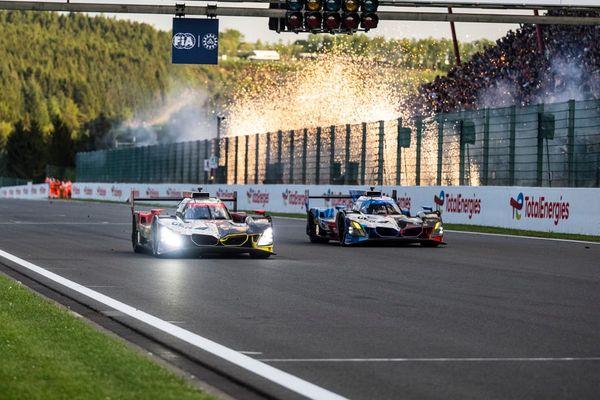
BMW M Team WRT proved execution at Spa. It did not prove that BMW now owns Hypercar before Le Mans.