RSR Intelligence
RSR Intelligence · Issue 012
BMW moved from promise to pressure, Porsche lost its fallback route, and Mercedes-AMG still needs Spa to answer the GT3 question.

RSR Intelligence
BMW moved from promise to pressure, Porsche lost its fallback route, and Mercedes-AMG still needs Spa to answer the GT3 question.
Analysis
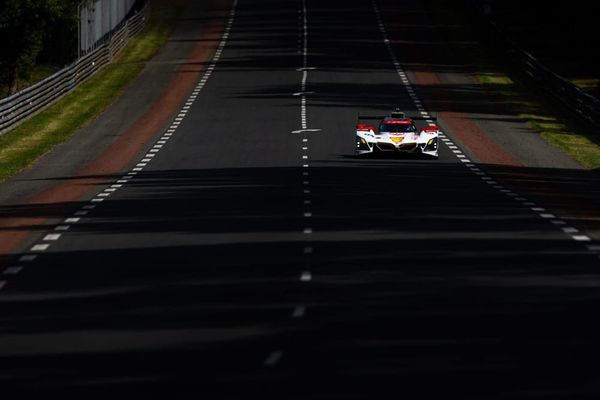
BMW's #20 took a Le Mans podium that fits a three-round WEC arc. The pace gap to the winner is now something to close, not explain. Interlagos is the test.
Analysis
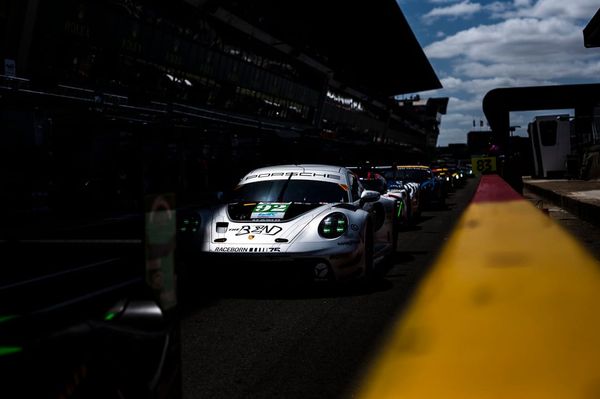
Le Mans 2026 is not asking whether Germany is present. BMW, Porsche and Mercedes-AMG all have routes into the race, but each faces a different test of authority.
Explainer
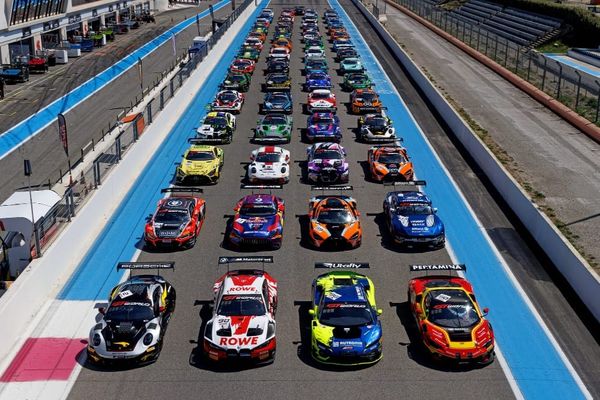
GT3 became endurance racing’s centre because it remained useful to manufacturers, teams, promoters, events and drivers.
RSR Intelligence
Mercedes-AMG has Nürburgring proof, BMW carries Germany’s WEC Hypercar burden, and Porsche’s influence now runs through GT depth.

Analysis
Mercedes-AMG’s Nürburgring win showed sharp-end depth, while BMW’s own reading points to damage limitation rather than parity.

Analysis
The Nürburgring 24 Hours lets BMW, Porsche, Mercedes-AMG and Volkswagen prove different kinds of credibility on the same road.
Analysis
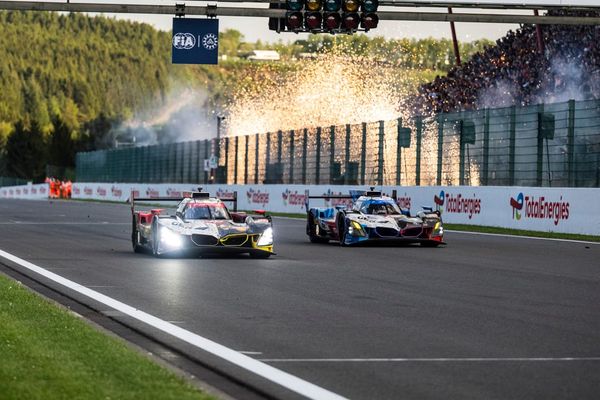
BMW M Team WRT proved execution at Spa. It did not prove that BMW now owns Hypercar before Le Mans.
Analysis
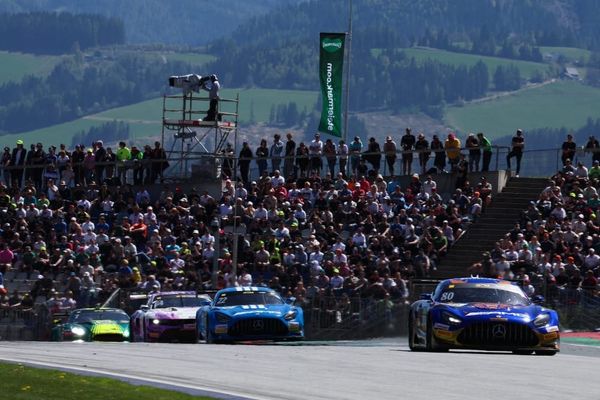
Mercedes-AMG’s Red Bull Ring opener was not just a Race 2 win. It was the first useful read on DTM’s new tyre and BoP regime.
Analysis
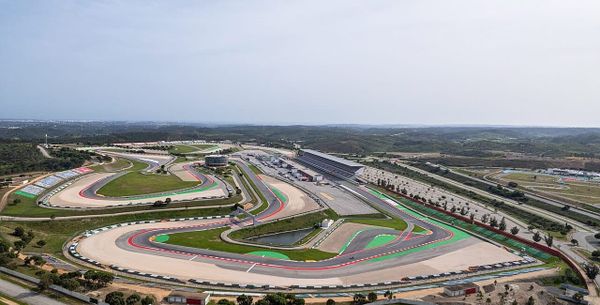
Two calendar decisions, made eight months apart, by two governing bodies that never coordinated. The Gulf's risk profile is now visible in both.
Event Notebook
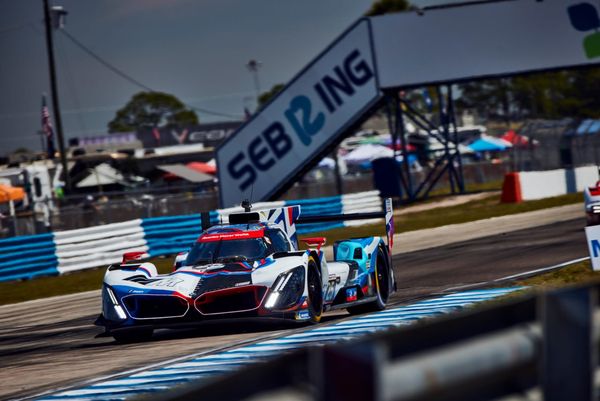
Daytona tested speed. Sebring tests structure. Three German manufacturers face the surface that separates execution from hardware.
Analysis
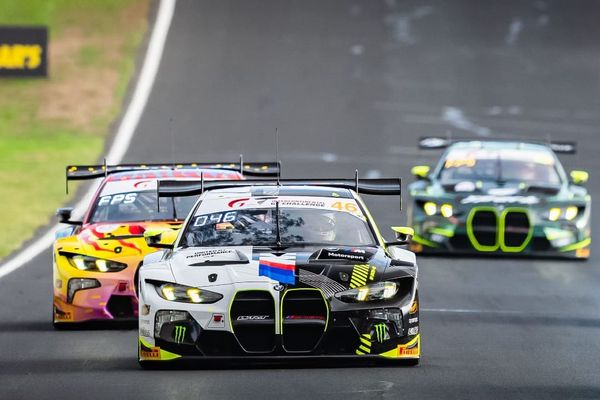
Why 2026 GT3 is no longer about speed but about stability, as Mercedes-AMG, Porsche and BMW reshape customer racing under economic pressure.