Explainer
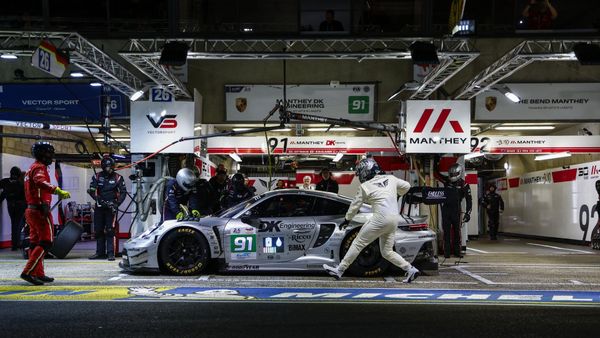
What Manthey gives Porsche
Porsche owns 51% of Manthey but still calls it a customer team. RSR examines what that unusual structure gives Porsche, and where the evidence stops.

Explainer
Porsche owns 51% of Manthey but still calls it a customer team. RSR examines what that unusual structure gives Porsche, and where the evidence stops.
Analysis
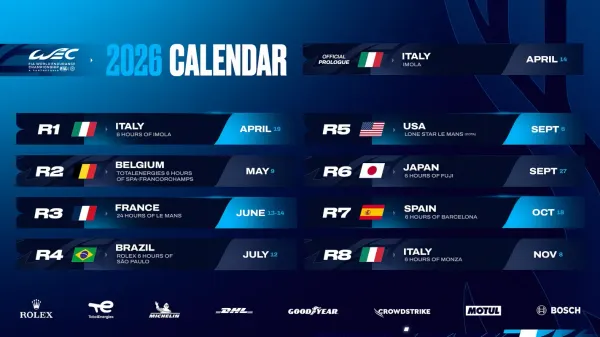
WEC’s move to Barcelona and Monza preserved eight rounds but removed six racing hours and one third of the points from its original finale.
RSR Intelligence
BMW won in WEC, Mercedes-AMG won in IMSA, and Porsche recovered in both. The teams look stronger, but the manufacturer order remains unsettled.
Analysis
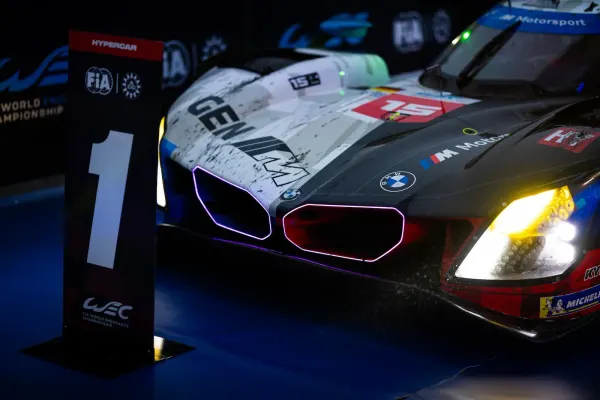
The #15 BMW strengthened WRT’s repeatability case at São Paulo. Cadillac’s errors and the #20’s different weekend keep the wider verdict open.
RSR Intelligence
BMW moved from promise to pressure, Porsche lost its fallback route, and Mercedes-AMG still needs Spa to answer the GT3 question.
Analysis
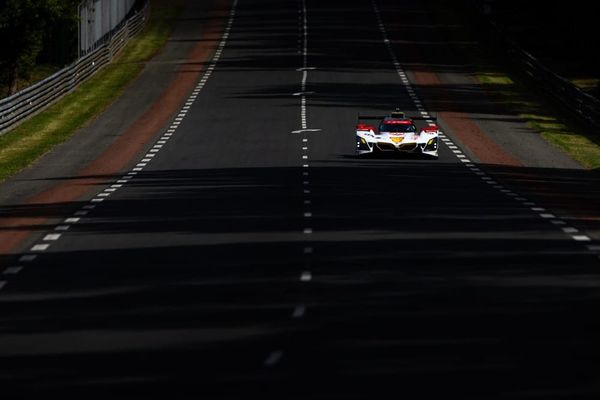
BMW's #20 took a Le Mans podium that fits a three-round WEC arc. The pace gap to the winner is now something to close, not explain. Interlagos is the test.
Analysis
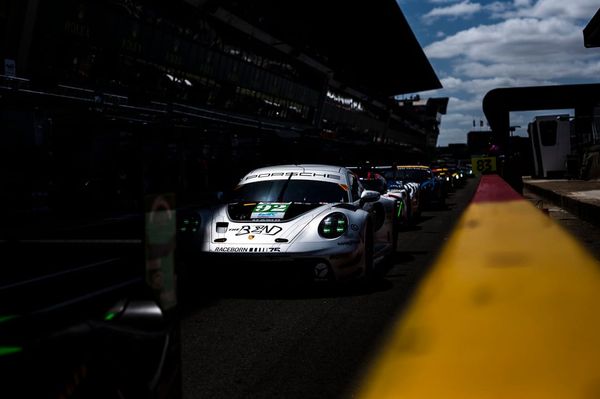
Le Mans 2026 is not asking whether Germany is present. BMW, Porsche and Mercedes-AMG all have routes into the race, but each faces a different test of authority.
Explainer
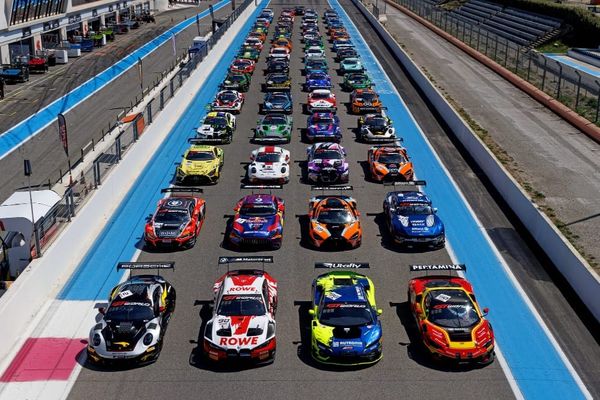
GT3 became endurance racing’s centre because it remained useful to manufacturers, teams, promoters, events and drivers.
Analysis
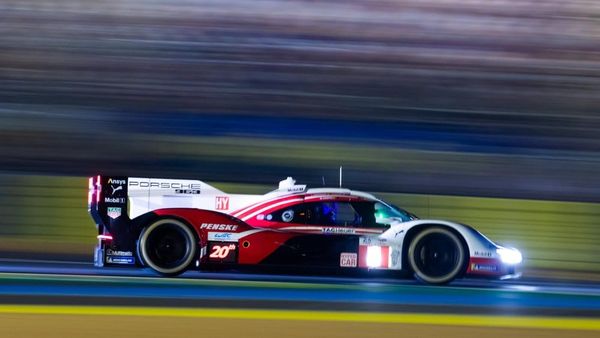
Porsche’s 2026 Le Mans Hypercar absence is a rules, value and leverage story. The 963 still had performance. The problem was what WEC made that worth.
RSR Intelligence
Mercedes-AMG has Nürburgring proof, BMW carries Germany’s WEC Hypercar burden, and Porsche’s influence now runs through GT depth.
Analysis
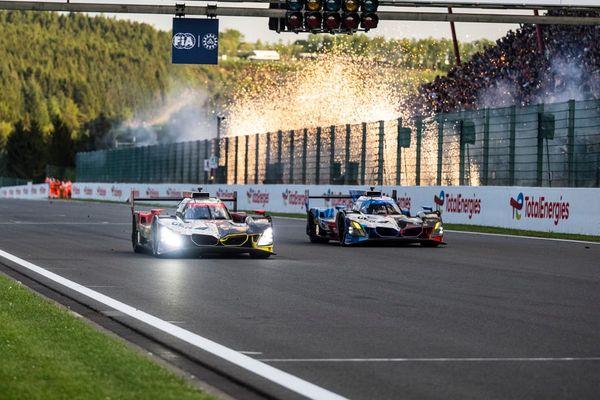
BMW M Team WRT proved execution at Spa. It did not prove that BMW now owns Hypercar before Le Mans.
Analysis
Two calendar decisions, made eight months apart, by two governing bodies that never coordinated. The Gulf's risk profile is now visible in both.